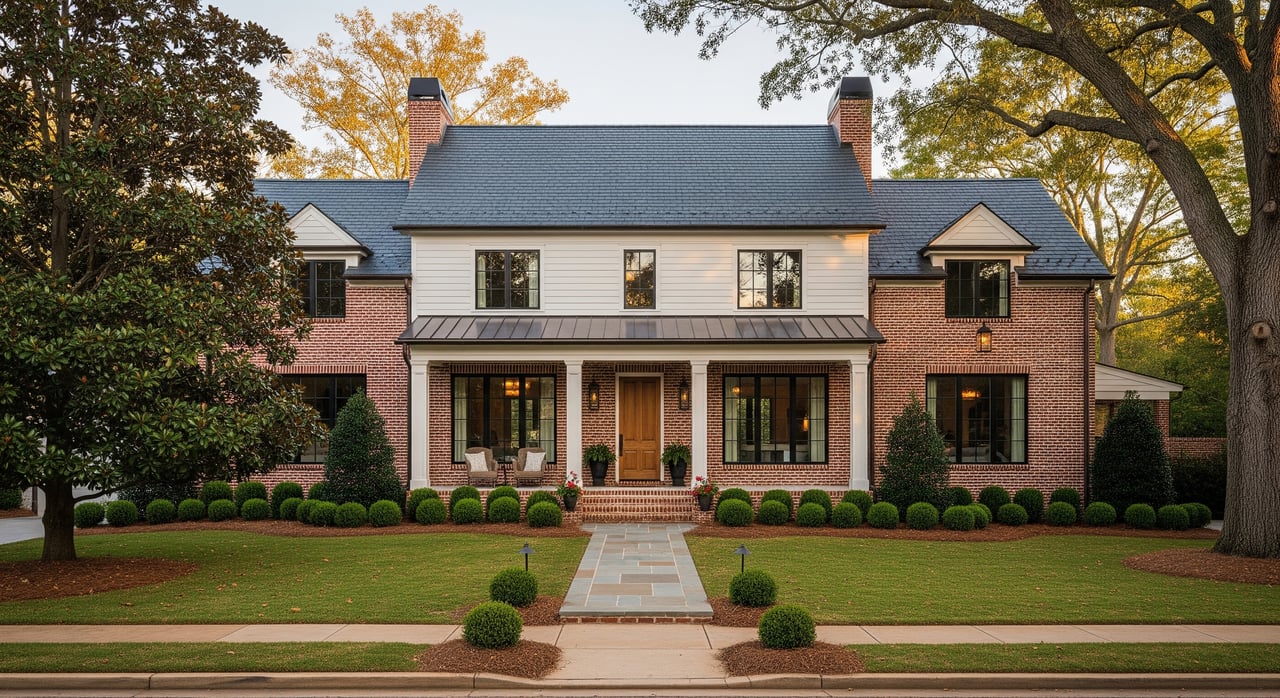
Cary vs Apex Homes: Choosing Your Ideal Home Base
Torn between two great options is a good problem to have. If you’re deciding between Cary and Apex, you want clear, practical guidance that fits your lifestyle, commute, and budget. In this guide, you’ll compare each town’s feel, housing mix, connectivity, schools, parks, and ongoing costs so you can choose with confidence. Let’s dive in.
| Factor | Cary | Apex |
|---|---|---|
| Overall feel | Larger, mature suburban town with many master-planned neighborhoods | Smaller town with a historic downtown and community events |
| Housing mix | Broad variety of single-family, townhomes, condos, and apartments | Newer single-family subdivisions, townhomes, and a growing apartment inventory |
| New construction | Infill and targeted annexations due to being more built out | Ongoing new subdivisions and mixed-use projects |
| Commute/connectivity | Direct access to US-1, I-40 via nearby interchanges, NC-55, and I-540 | Access to US-1/US-64 and NC-55, with some commutes routing through Cary |
| Transit options | More local service through GoCary, plus regional connections | Local GoApex with regional links, generally fewer fixed-route options |
| Parks & greenways | Extensive parks system and trail network | Expanding trail network, Apex Community Park, and neighborhood greenways |
| Downtown vibe | Multiple retail nodes spread across town | Pronounced historic core with restaurants, boutiques, and festivals |
| Municipal services | Robust full-service town government | Smaller-scale services focused on core needs |
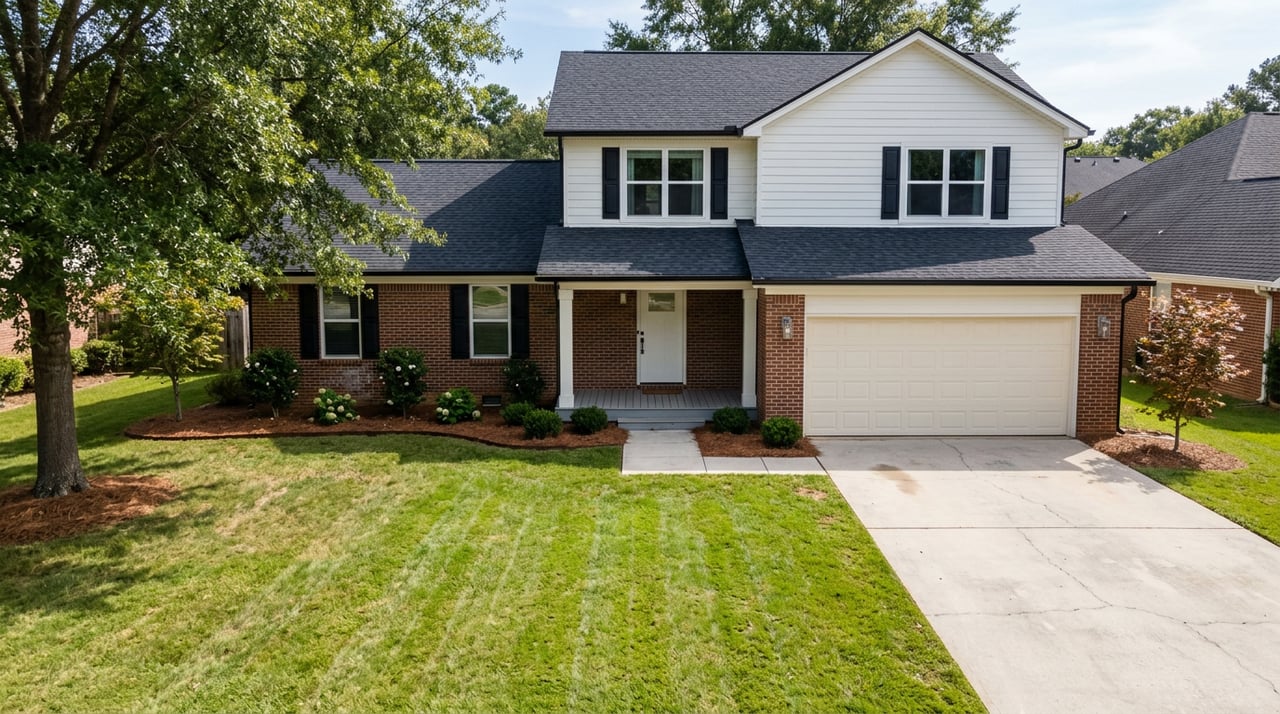
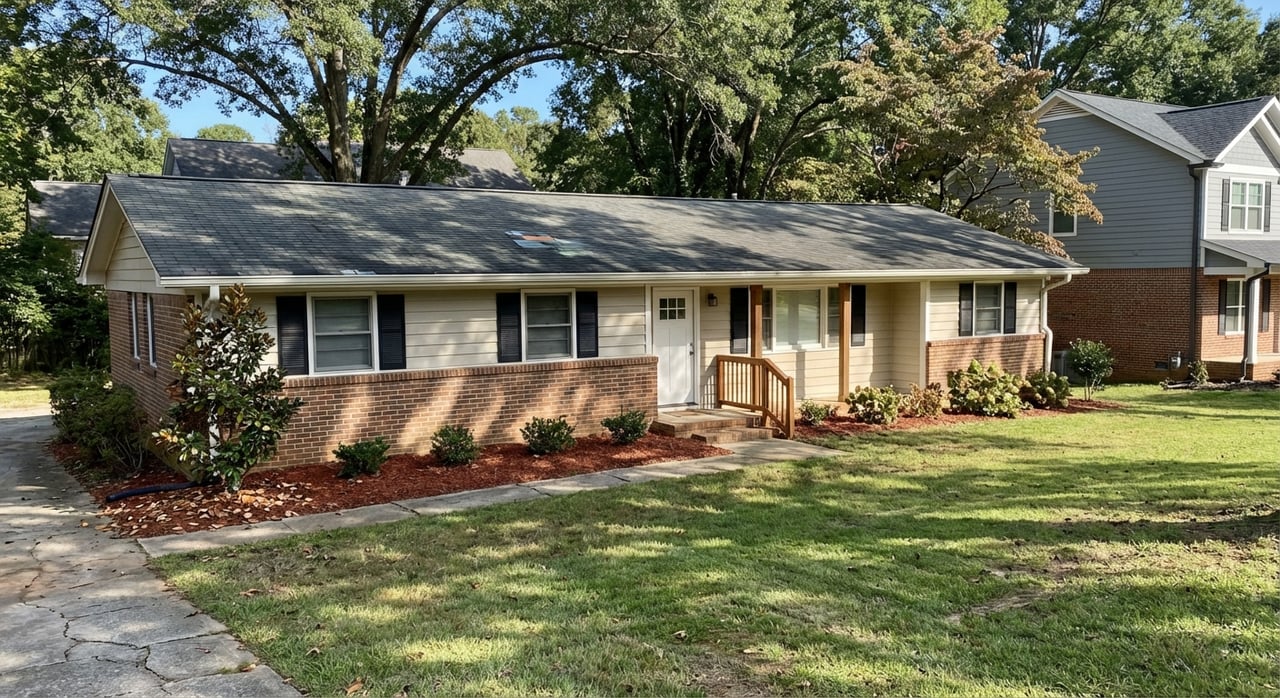
Cary offers a wide range of homes, from established single-family neighborhoods built in the 1980s through the 2010s to newer townhomes and condos. Because the town is more built out, you’ll see a strong resale market and varied architectural styles. Many communities include HOAs that cover common areas and amenities.
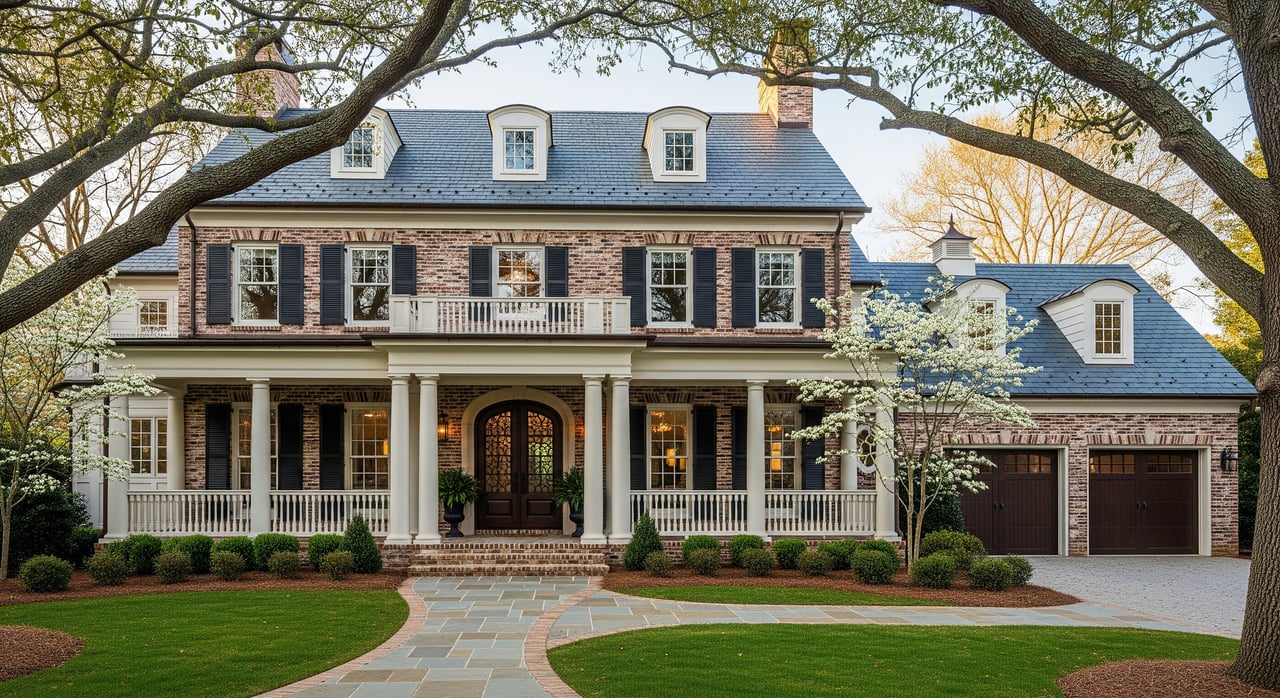
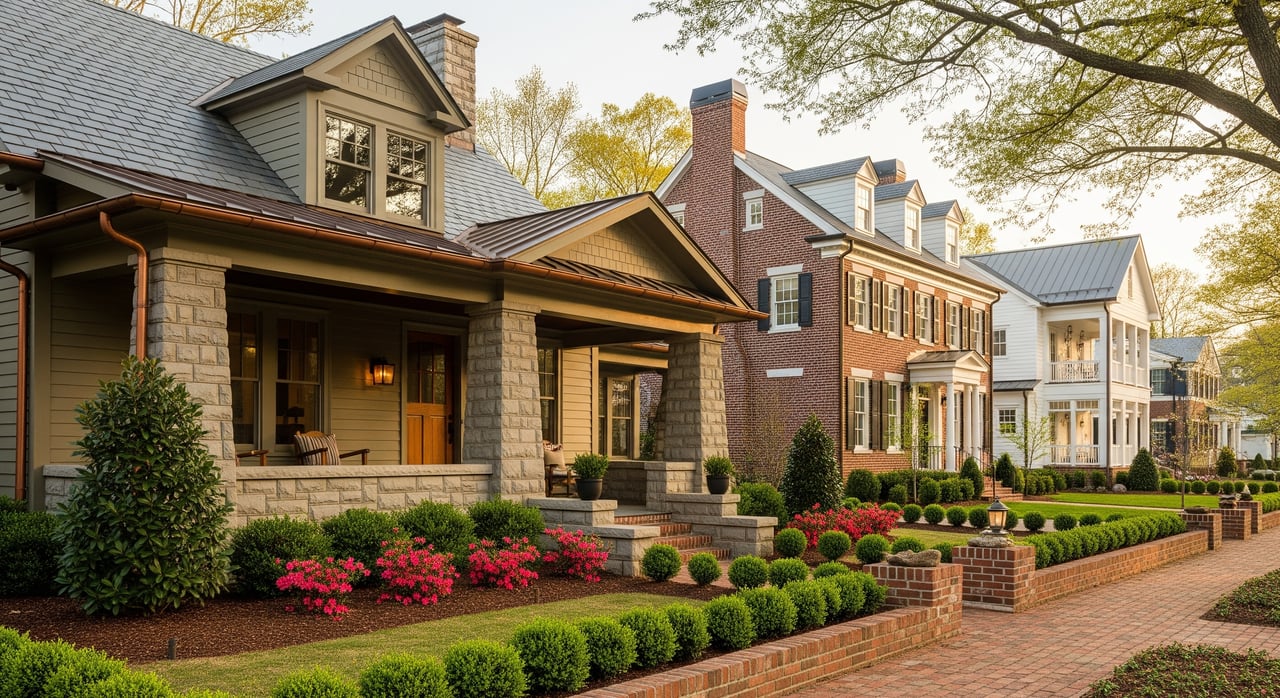
Apex blends historic homes near downtown with many newer subdivisions that have shaped its growth over the last 15 to 20 years. You’ll find plenty of move-in-new options in planned communities, along with townhomes and a growing number of apartments. HOAs are common in newer neighborhoods and typically handle shared amenities.
Demand in both towns stays steady thanks to proximity to major employment centers, a large regional school system, and solid municipal services. Micro-markets matter. Homes near downtown Apex or in Cary neighborhoods close to Research Triangle Park often perform differently than townwide averages.
Most buyers look at access to downtown Raleigh, Research Triangle Park, Durham and Chapel Hill, and RDU International Airport. Cary sits closer to the western and southern edges of RTP, which can shorten commutes from select neighborhoods. Apex residents often use NC-55, US-64, and US-1, sometimes routing through Cary to reach these hubs.
Cary connects to US-1, US-64 in parts, I-540, NC-55, and I-40 via nearby interchanges. Apex taps US-1/US-64 and NC-55, with I-40 a bit farther for some origins. Peak-hour traffic can build on US-1, US-64, I-40, NC-55, and major arterials, so times vary by neighborhood and time of day.
Cary provides more local transit options through its municipal services, with regional bus connections linking to RTP and other Triangle communities. Apex offers local connections and regional routes, generally with fewer fixed-route choices. Both towns continue to expand sidewalks and trail networks for biking and walking.
Both Cary and Apex are served by the Wake County Public School System. School assignments depend on your specific address and can change with rezoning. Before you make an offer, verify the current attendance zone for the property and review recent performance and enrollment trends. In fast-growth areas, ask about capacity and any planned boundary adjustments.
Cary’s parks and greenways are extensive, with many neighborhood parks, sports complexes, and cultural venues spread throughout town. You’ll also find multiple commercial nodes for shopping, dining, and healthcare. Apex’s historic downtown delivers a small-town main street experience with restaurants, boutiques, a farmers market, and community festivals.
Active households will find youth sports, pools, playgrounds, and community centers in both towns. If you prioritize a lively historic core, downtown Apex may appeal. If you want a wide spread of amenities across many neighborhoods, Cary offers broad coverage.
Ready to narrow your list and tour the right homes with a clear plan? Connect with Gesenia Alvarado for local, data-informed guidance and bilingual support if you prefer Spanish. Make your move matter.
Whether you are a first-time homebuyer, a seasoned investor, or looking to sell your home, Gesenia has the knowledge, skills, and experience to help you achieve your real estate goals.

525 NEW WAVERLY PL STE 202 CARY NC 27518