
Understanding Seller's Market Apex Meaning in Apex, NC
Thinking about selling or buying in Apex and keep hearing it is a seller’s market? It can feel exciting if you are listing and frustrating if you are house hunting. Either way, you will make stronger decisions when you understand the numbers that define a seller’s market and how those numbers show up in Apex. In this guide, you will learn the three key metrics, how to check them for Apex, and practical strategies for both sellers and buyers. Let’s dive in.
A seller’s market simply means demand is outpacing supply. Homes sell faster, sellers have more leverage on price and terms, and buyers face more competition. You can spot it by watching a few metrics that professionals rely on.
Months of inventory is the number of months it would take to sell today’s active listings at the current sales pace. It is calculated as Active Listings divided by Average Monthly Closed Sales. When MOI is low, supply is tight relative to demand. As a rule of thumb, less than 3 months is a strong seller’s market, around 6 months is balanced, and more than 6 months leans to buyers.
The sale-to-list ratio compares a home’s final sale price to its list price. When the median ratio sits at or above 100 percent for a period of time, buyers are often paying at or over list price. That signals seller leverage. Ratios very close to 100 percent can be balanced depending on local norms, but persistent readings above 100 percent are a hallmark of seller control.
Days on market tracks how long a listing takes to go under contract. In a seller’s market, DOM is usually short compared to historical norms. You will often see median DOM measured in days rather than weeks. Keep in mind that DOM can vary by property type and price range.
You do not need to guess. You can verify whether Apex is in a seller’s market by pulling a few local data points.
Example only. Replace with current local data before you decide.
Caption: Data source would be Triangle MLS for Apex city limits as of the chosen month. Your price range or neighborhood may differ.
When Apex shows low MOI, short DOM, and sale-to-list at or above 100 percent, you have leverage. The right pricing, presentation, and terms can maximize your net proceeds and reduce stress.
Aim for a competitive list price that reflects recent closings in your micro-market. In strong conditions, pricing near market value can draw multiple offers and push the final price higher. If you price too high at launch, you risk sitting on the market and losing momentum.
First impressions matter more when buyers move fast. Professional photography, thoughtful staging, and strong online exposure can translate into more showings in the first 72 hours. A marketing-forward approach helps your home stand out in Apex’s most active price bands.
The highest price is not always the best offer. Look at financing strength, closing timeline, and contingencies alongside price. Cash or fully underwritten pre-approvals, shorter due diligence periods, and fewer contingencies can improve certainty and your net outcome.
Consider pre-list disclosures or a pre-inspection if it fits your strategy. Clear information upfront can reduce buyer objections and keep strong offers moving forward. Work with your agent to choose the approach that matches your timeline and risk tolerance.
In a seller’s market, you win with preparation and clear guardrails. Focus on financing strength, speed, and terms that stand out without taking on outsized risk.
In fast markets, appraisals can lag contract prices. Discuss your options in advance, such as having extra funds available or using targeted appraisal language allowed in your area. Know your walk-away number before you write.
Small details can help you win without overspending. Flexible closing dates, a short seller rent-back when needed, or covering certain routine costs can make your offer more attractive.
Sometimes you will see low months of inventory but a sale-to-list ratio near 100 percent, or DOM that looks average. That can mean a transition period or differences across price tiers. In that case, zoom into your specific price range and property type. The entry-level segment might be hotter than the luxury tier, or new construction may behave differently than resale.
You deserve a tailored plan that fits your goals and the current Apex market conditions. As a Cary-based, Keller Williams–affiliated agent serving Apex and the greater Triangle, I combine local market knowledge with premium digital marketing. That includes professional photography and staging, MLS and portal syndication, and clear, bilingual communication. Whether you are selling or buying, you get hands-on guidance, responsive updates, and a strategy grounded in real data.
If you want a custom Apex market snapshot for your price range, or a free valuation of your home, reach out. I will walk you through the current metrics and a step-by-step plan to move with confidence.
Ready to move forward in Apex with a trusted local advisor? Connect with Gesenia Alvarado for a custom strategy and next steps.
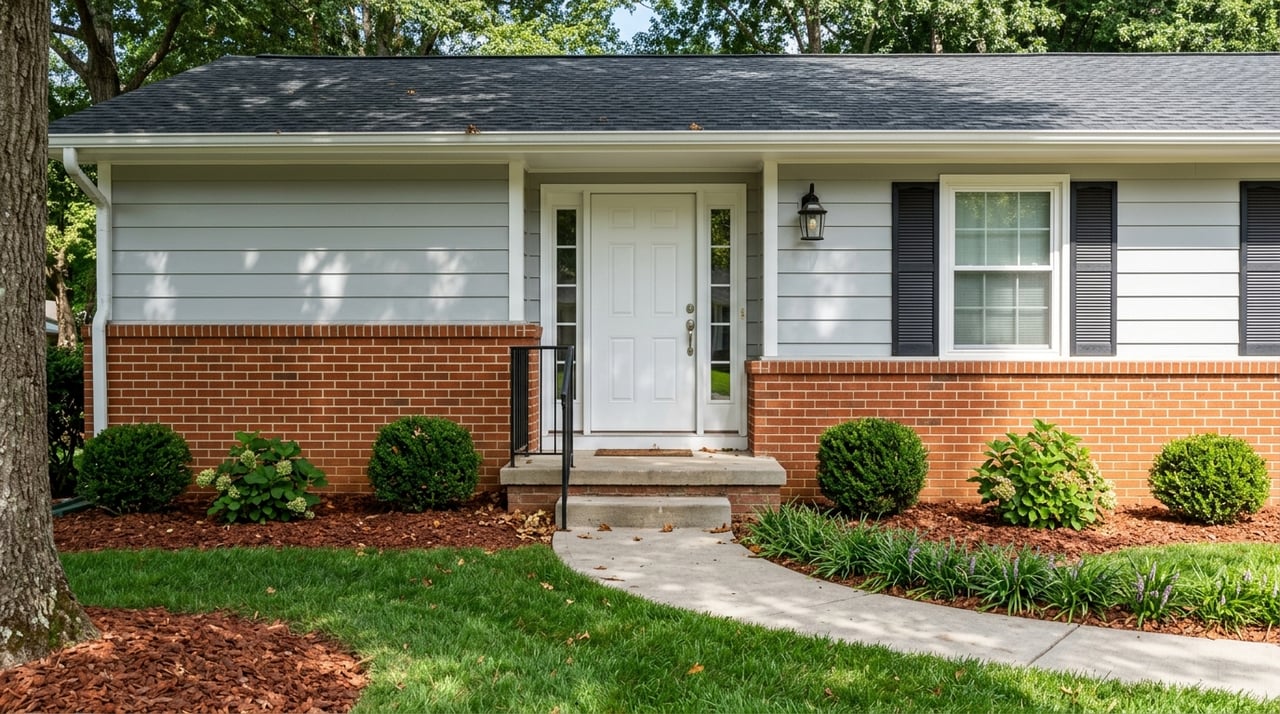
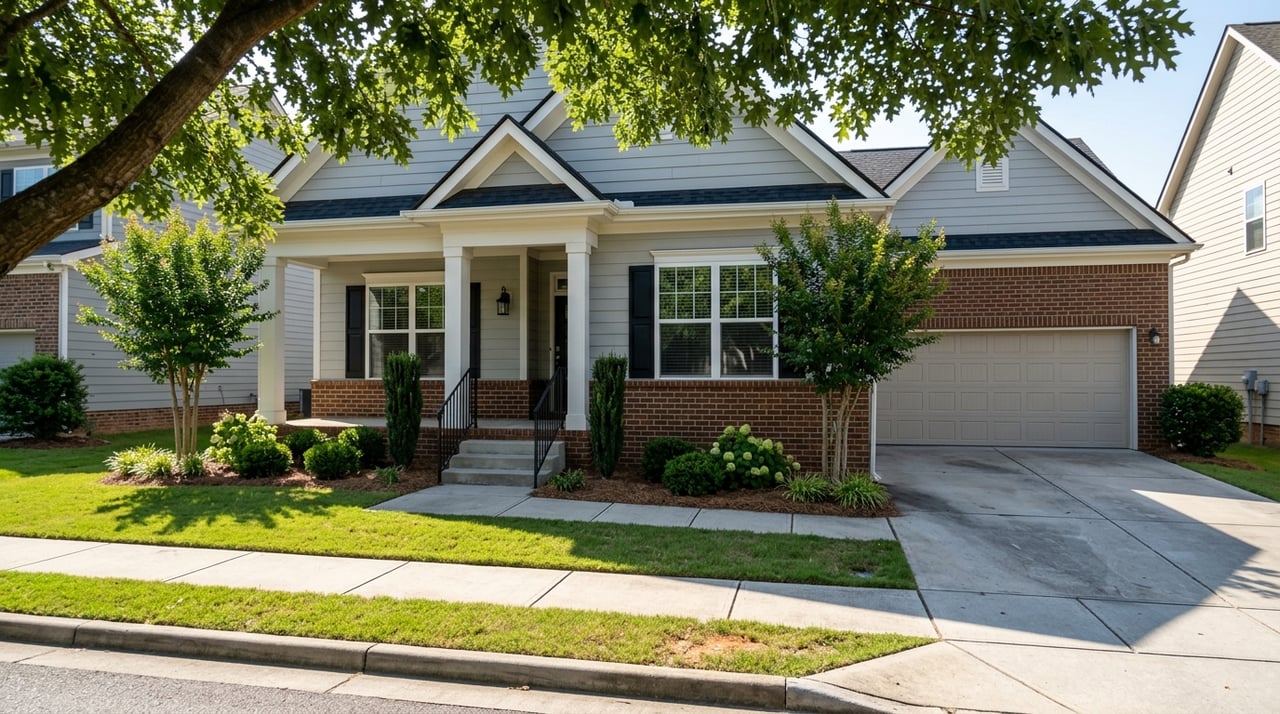
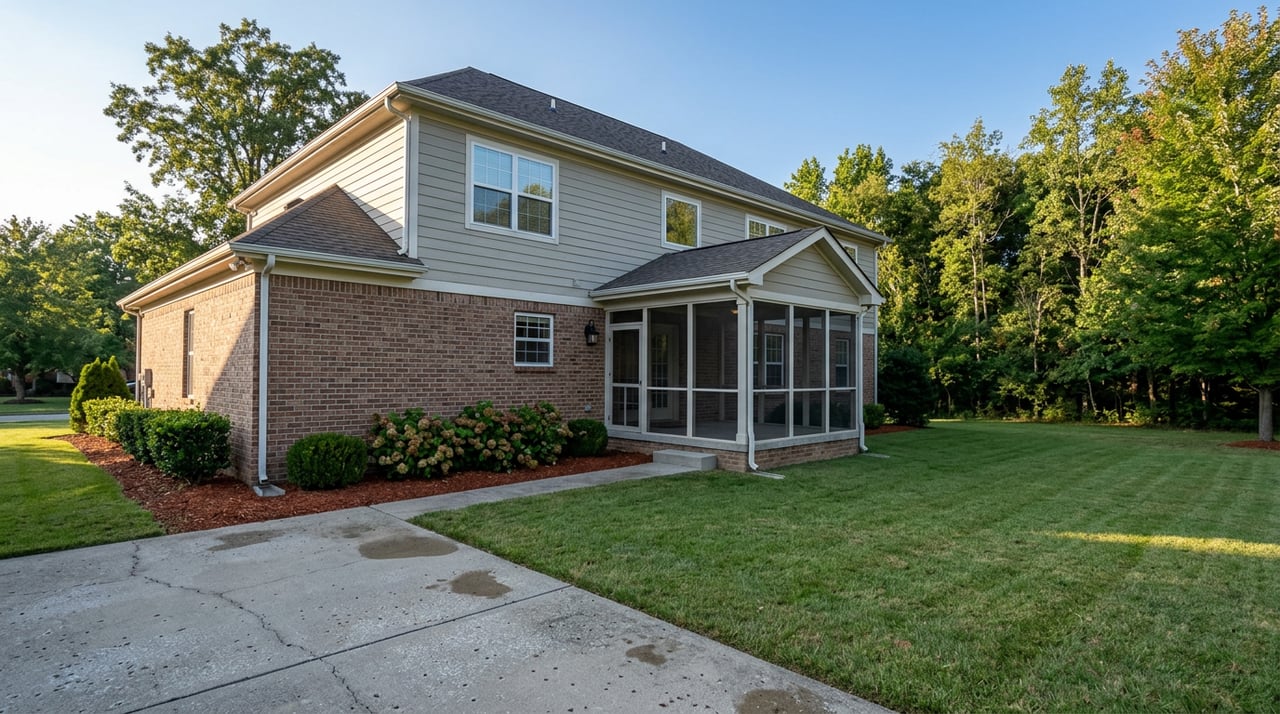
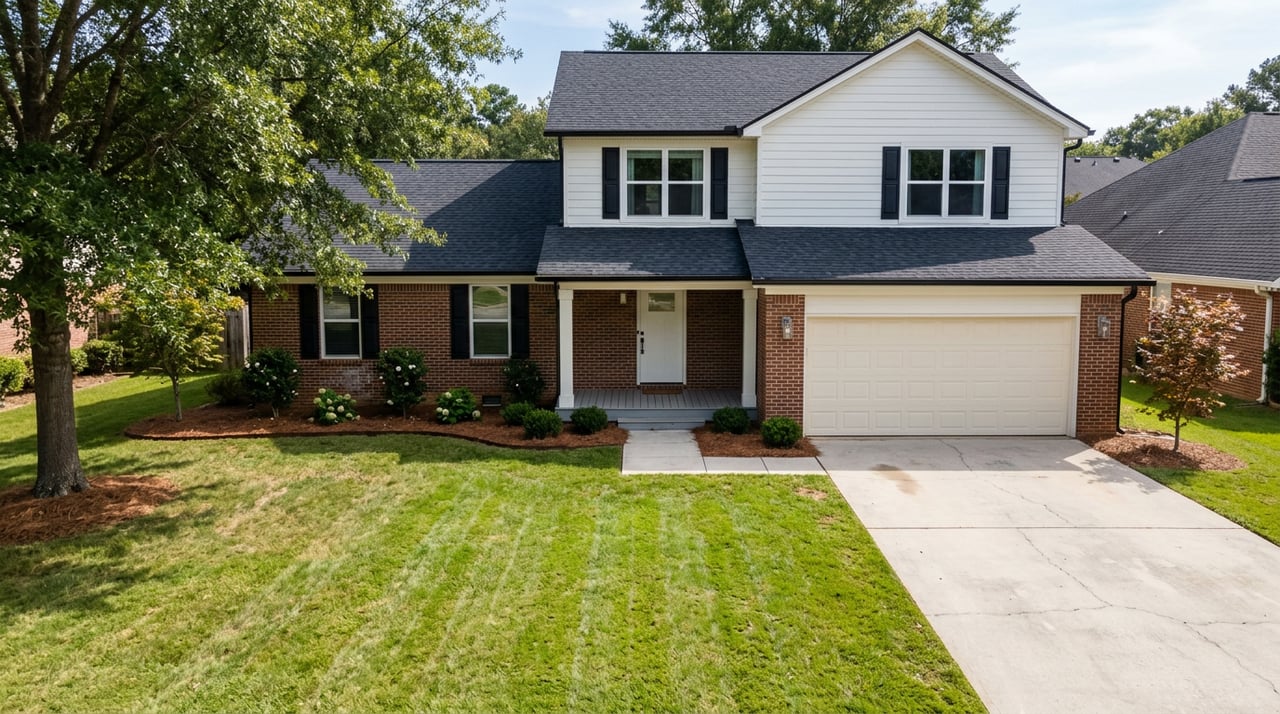



Whether you are a first-time homebuyer, a seasoned investor, or looking to sell your home, Gesenia has the knowledge, skills, and experience to help you achieve your real estate goals.

525 NEW WAVERLY PL STE 202 CARY NC 27518