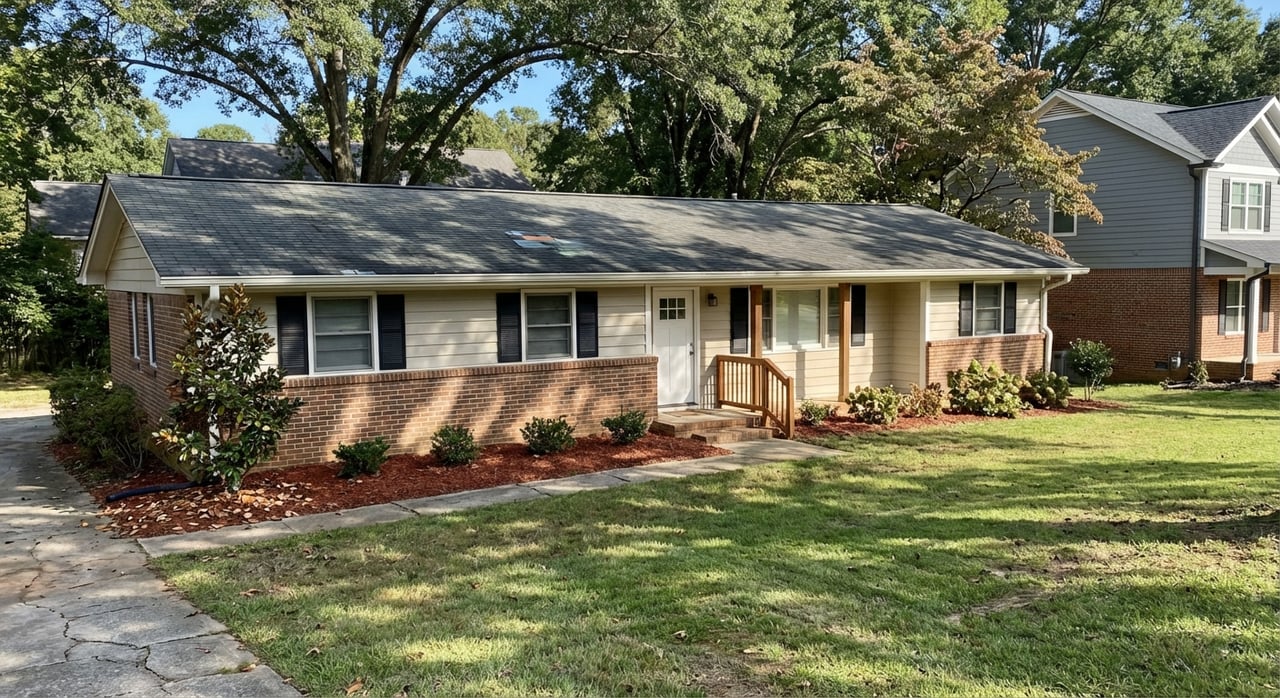
Historic Charm Or New Build? Buying In Durham
Torn between a porch swing on a 1920s bungalow and the keys to a just-finished home with that new-house smell? You are not alone. Durham offers both historic character and modern convenience, often on different streets and at different price points. In this guide, you will compare features, maintenance, rules, commutes, and real costs so you can move forward with confidence. Let’s dive in.
Durham’s median home values have hovered around the mid to low $400s to high $300s in recent snapshots, with provider estimates generally in the $380,000 to $415,000 range. Citywide medians are helpful, but neighborhood pricing varies widely. Inner historic areas near Downtown often list above the city median, while many newer subdivisions in South Durham and RTP-adjacent pockets offer more recent construction. You can review current trends in the Durham market overview and keep in mind that local medians change by neighborhood and property type.
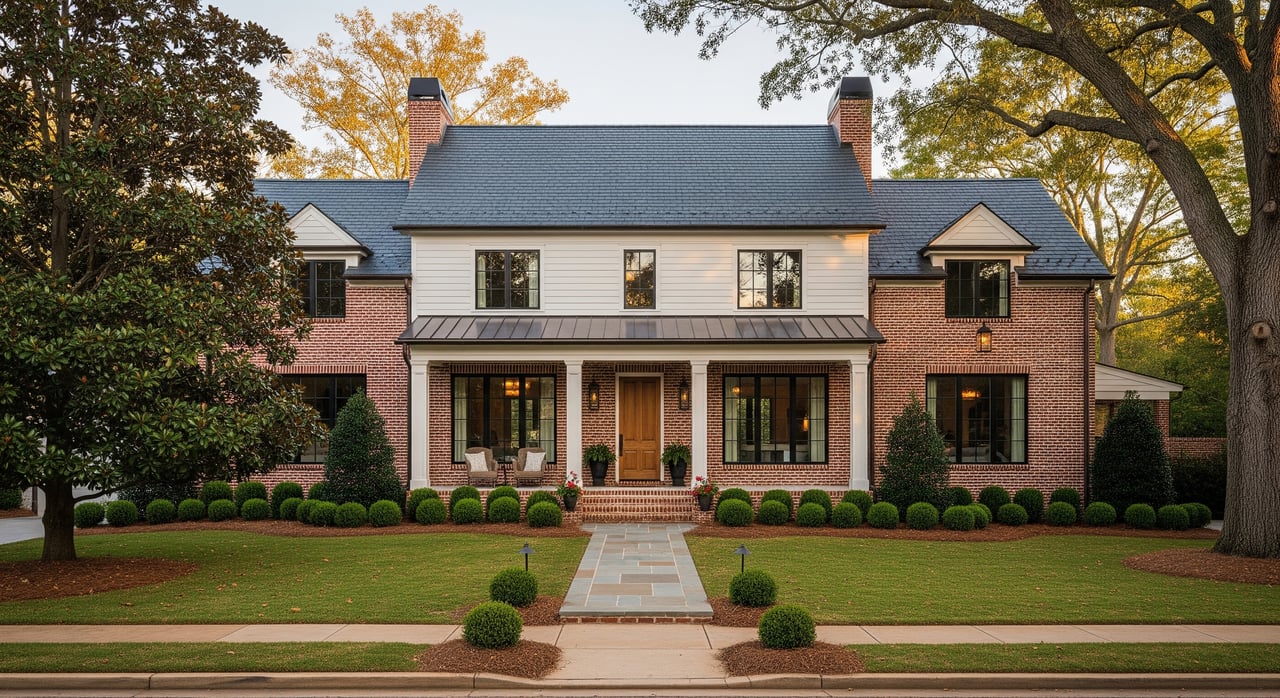
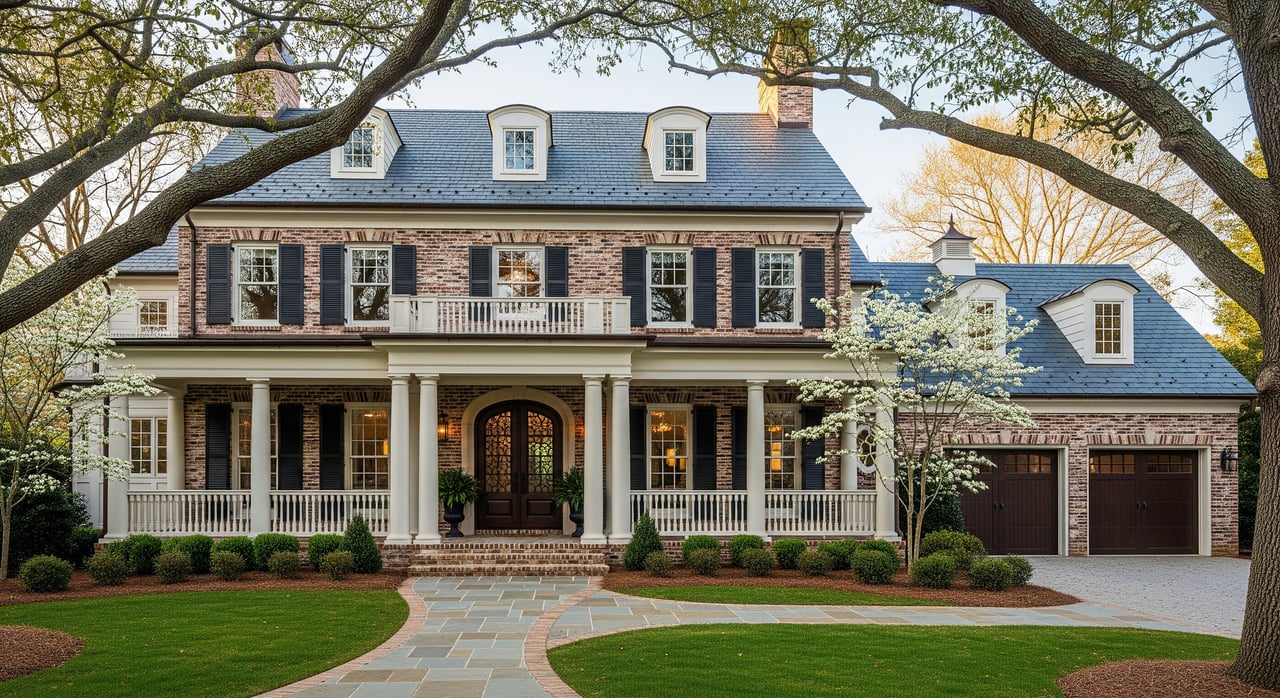
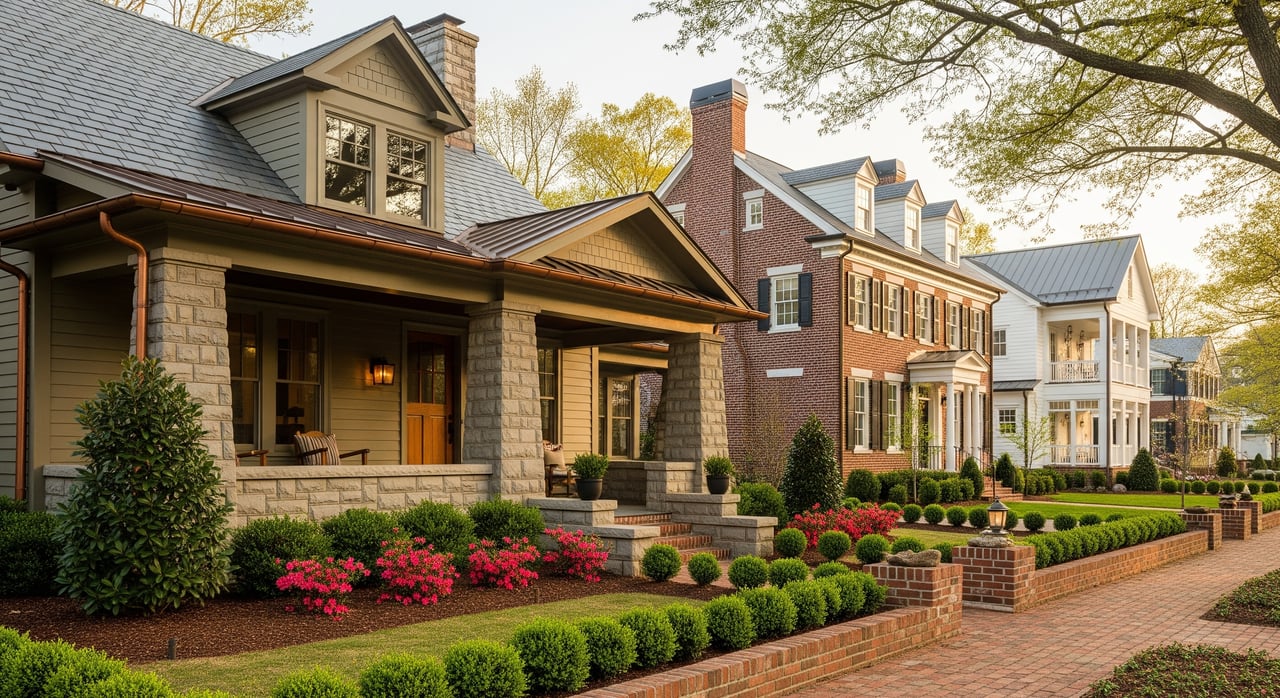
In Durham’s historic neighborhoods, you will often find Craftsman and Bungalow homes, Queen Anne and Victorian styles, Colonial Revival, Foursquare, and mill-village cottages, largely built from 1900 to 1940. Inside, expect defined rooms, built-ins, porches, and mature landscaping, with common footprints ranging from two to four bedrooms depending on the era. To see typical styles and district overviews, explore this guide to Durham historic districts and home types.
Older homes can offer solid construction and timeless details, but you should plan for careful due diligence. Priority checks include roof age and condition, electrical panel and wiring type, plumbing material, HVAC age, insulation, window performance, and drainage or crawlspace moisture. Termites are a regional consideration in North Carolina, so schedule a wood-destroying organism inspection and review prevention guidance from NC State Extension on subterranean termites.
If the home was built before 1978, federal rules require a lead-based paint disclosure and a buyer’s right to a 10-day inspection window. Learn the basics in the EPA’s overview of Title X lead-paint disclosure requirements. Plan for potential remediation if young children will live in the home.
Interior updates in older homes typically follow standard building permits, but exterior changes in local historic districts can require a Certificate of Appropriateness. If you hope to alter a façade, change front-facing windows, rebuild a porch, or swap a roof material visible from the street, budget time for this step. Review the city’s process for a Certificate of Appropriateness in Durham before you make plans.
There can be financial incentives for qualified historic rehabilitation projects. Income-producing properties may be eligible for a 20 percent federal rehabilitation credit, and North Carolina has offered additional state credits. These programs change over time and are most relevant to larger projects. For context on state programs and examples, see Preservation North Carolina’s updates, and consult a CPA for current rules.
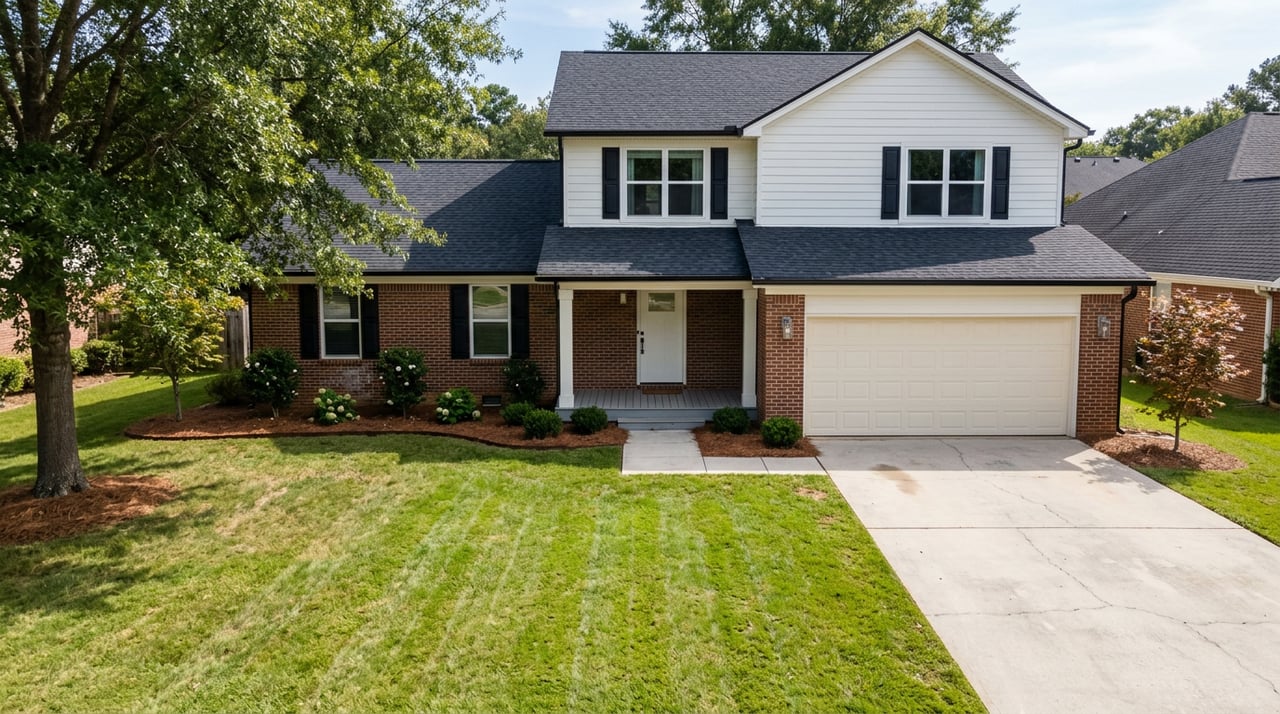
Most new homes in Durham emphasize open-concept living, kitchen islands, larger primary suites with walk-in closets, and first-floor flex or office rooms that support work-from-home needs. Builders commonly offer three to five bedrooms, attached garages, and community amenities like walking trails, pools, dog parks, or clubhouses. Lot sizes vary by community, and new phases may have smaller or more regular lot shapes compared to some older neighborhoods.
With modern electrical, plumbing, insulation, and HVAC, new homes generally mean lower near-term maintenance and improved energy efficiency compared to older stock. Many builders provide a structured warranty package, often called a 1-2-10: one year for workmanship, two years for systems distribution, and ten years for major structural coverage. Get familiar with the structure and claim process using this overview of a 1-2-10 builder warranty, then request the exact booklet for any home you are considering.
Most Durham-area new subdivisions and many townhome communities have homeowners associations. HOAs collect assessments to maintain amenities and common areas, and they set covenants that can limit certain exterior changes. Before you commit, review the CC&Rs, current budget, and any reserve study to understand long-term costs and responsibilities. The Community Associations Institute explains common HOA roles and responsibilities.
Your day-to-day matters. Inner neighborhoods like Trinity Park, Old West Durham, and Watts-Hillandale tend to offer stronger walk and bike access to local shops and restaurants. Many newer-build communities lean car-oriented, though they often sit near major connectors for commuting.
Durham’s transit network centers on Durham Station, with local GoDurham routes and regional connections via GoTriangle. If you rely on the bus or prefer options beyond driving, review routes and frequencies in the GoDurham service overview. Proximity to NC 147, I 40, I 85, and the I 885 connector can make reaching Duke, Duke Health, and RTP straightforward from both historic cores and suburban enclaves.
You want character, tree-lined streets, and a front porch life. You are comfortable tackling a cosmetic refresh now and phasing bigger updates later. You will get inspections early, budget for systems, and plan approvals for any exterior work in a historic district.
You want predictable costs and time back in your week. New construction or recently renovated homes with updated systems will likely fit best. You will focus on warranty coverage, HOA documents, and commute or amenity tradeoffs so you can lock in a low-stress routine.
Older and historic homes
New construction
Whether you are team porch swing or team brand-new kitchen island, you deserve a plan that fits your timeline, budget, and lifestyle. If you want help weighing neighborhoods, commute tradeoffs, and real numbers for renovations or warranties, let’s talk. Reach out to Gesenia Alvarado for friendly, hands-on guidance across Durham and the Triangle. Prefer Spanish? Se habla español.
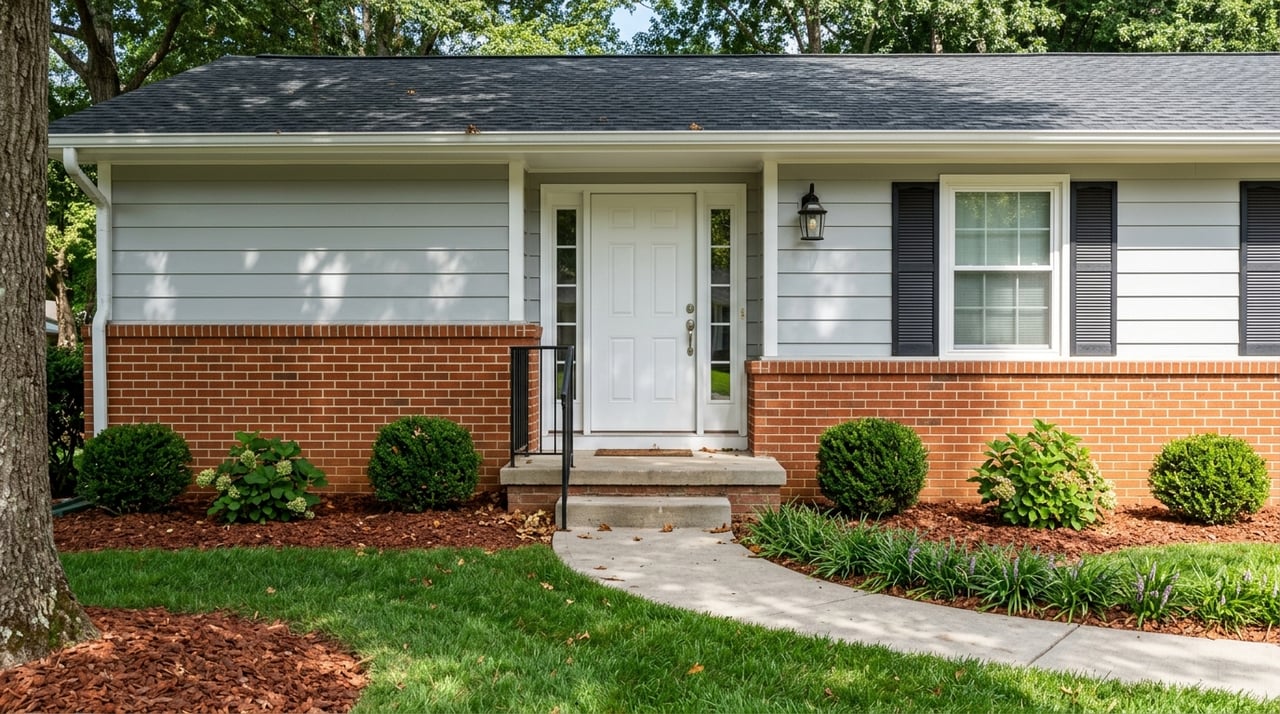
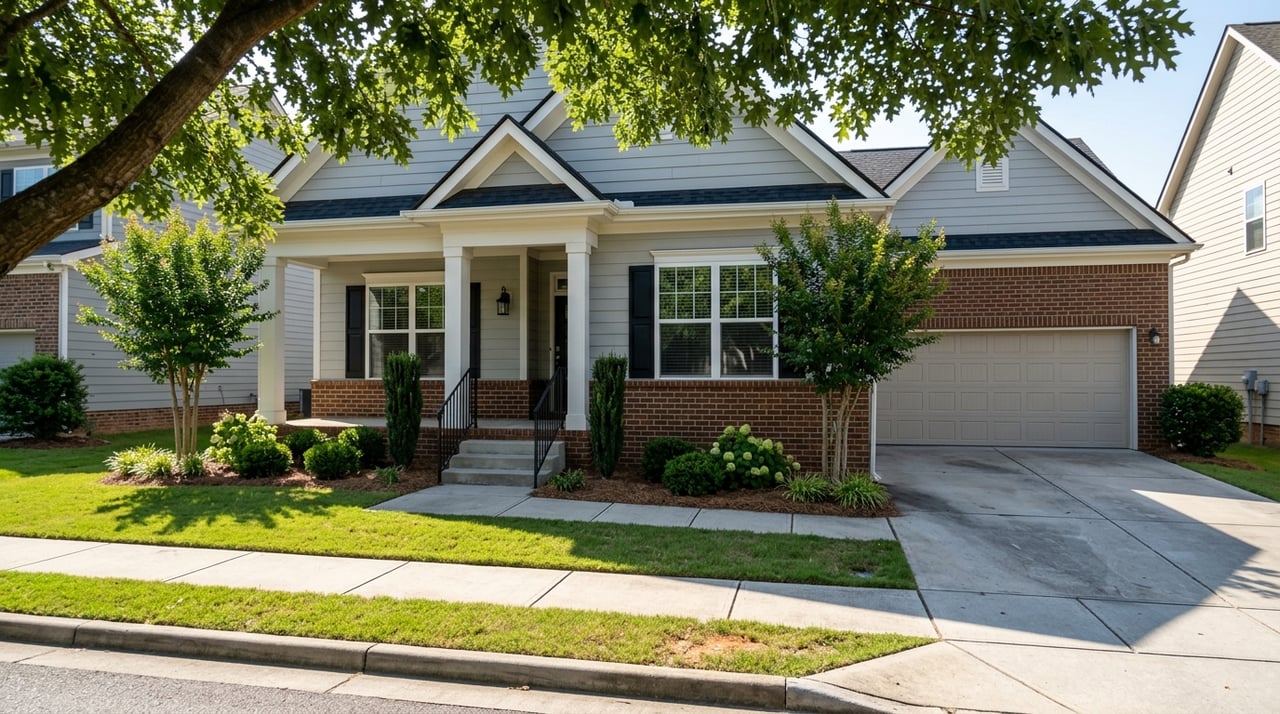
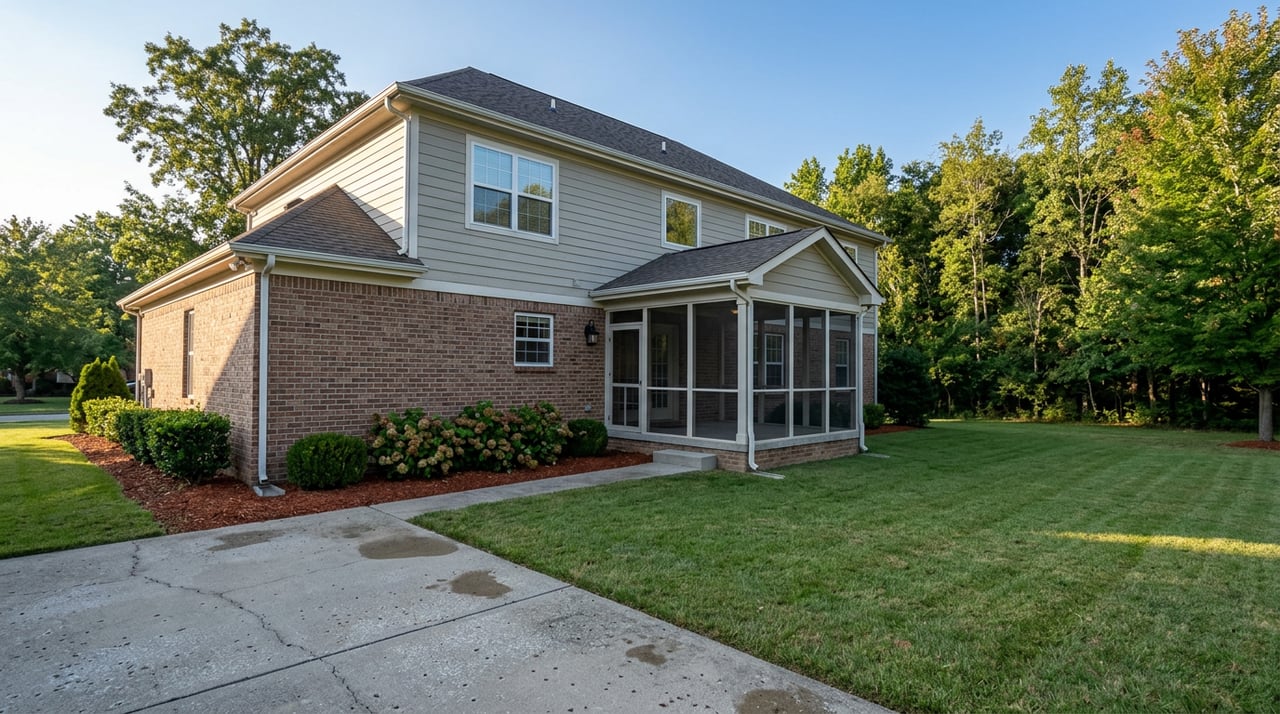
Whether you are a first-time homebuyer, a seasoned investor, or looking to sell your home, Gesenia has the knowledge, skills, and experience to help you achieve your real estate goals.

525 NEW WAVERLY PL STE 202 CARY NC 27518