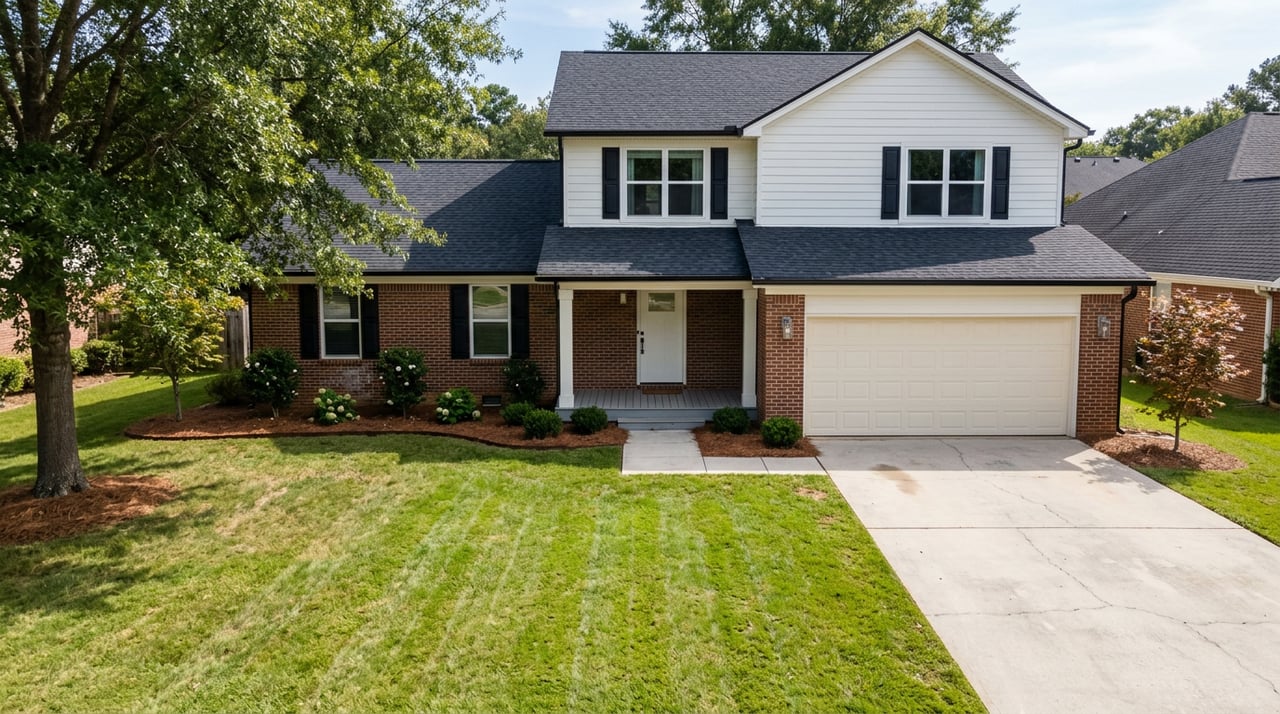
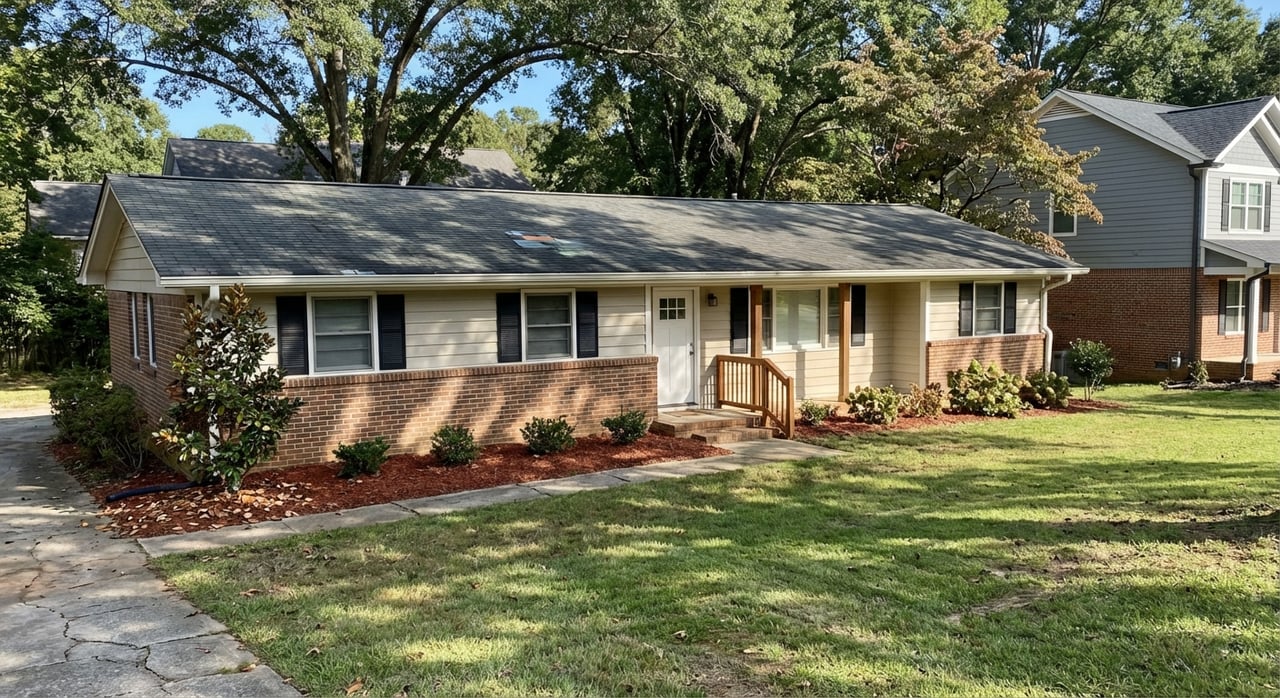
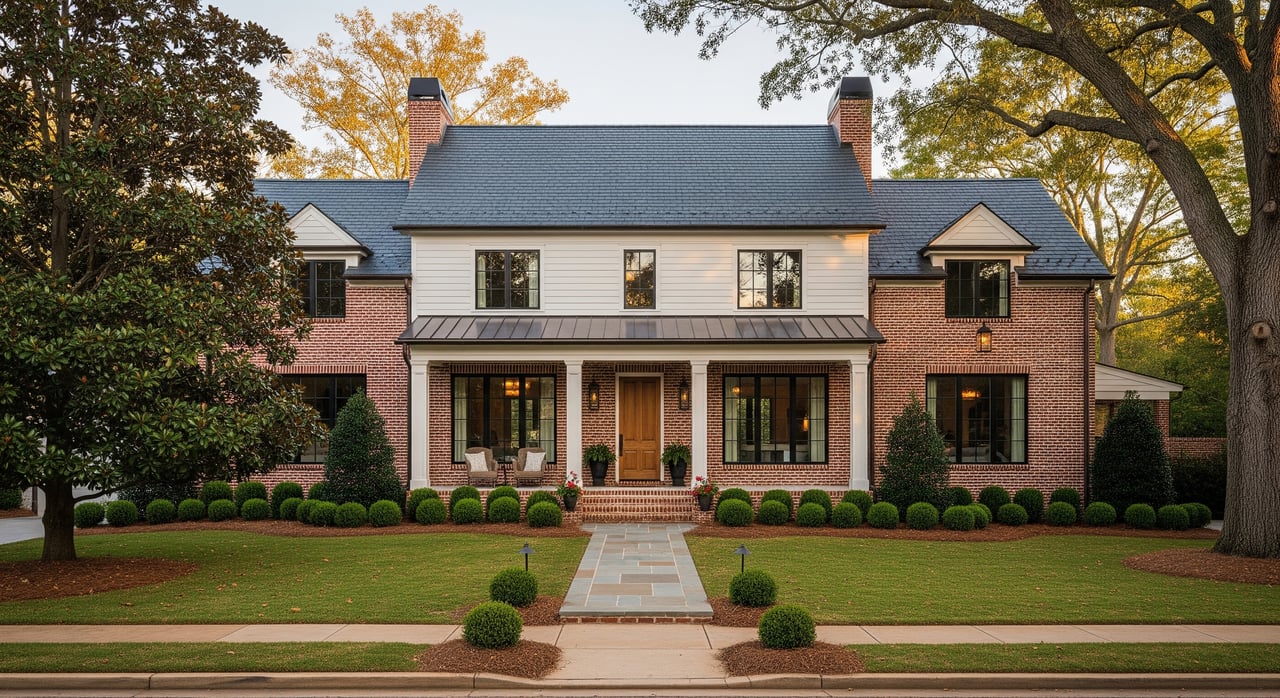
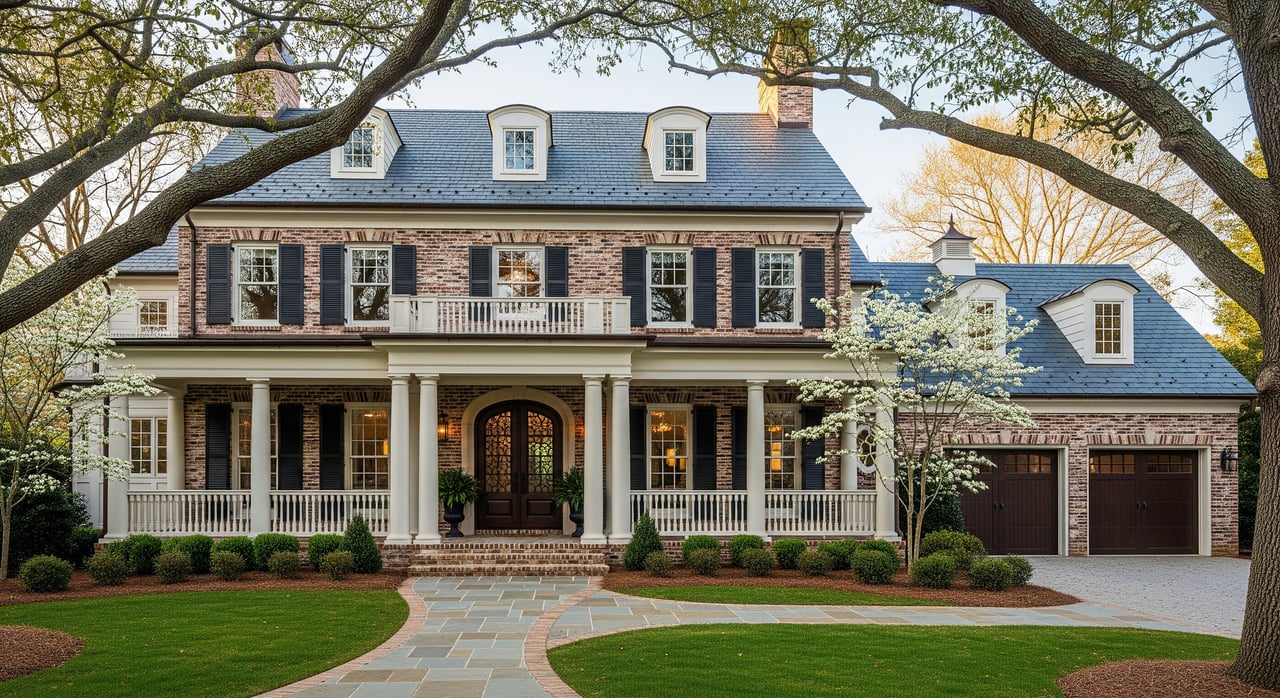
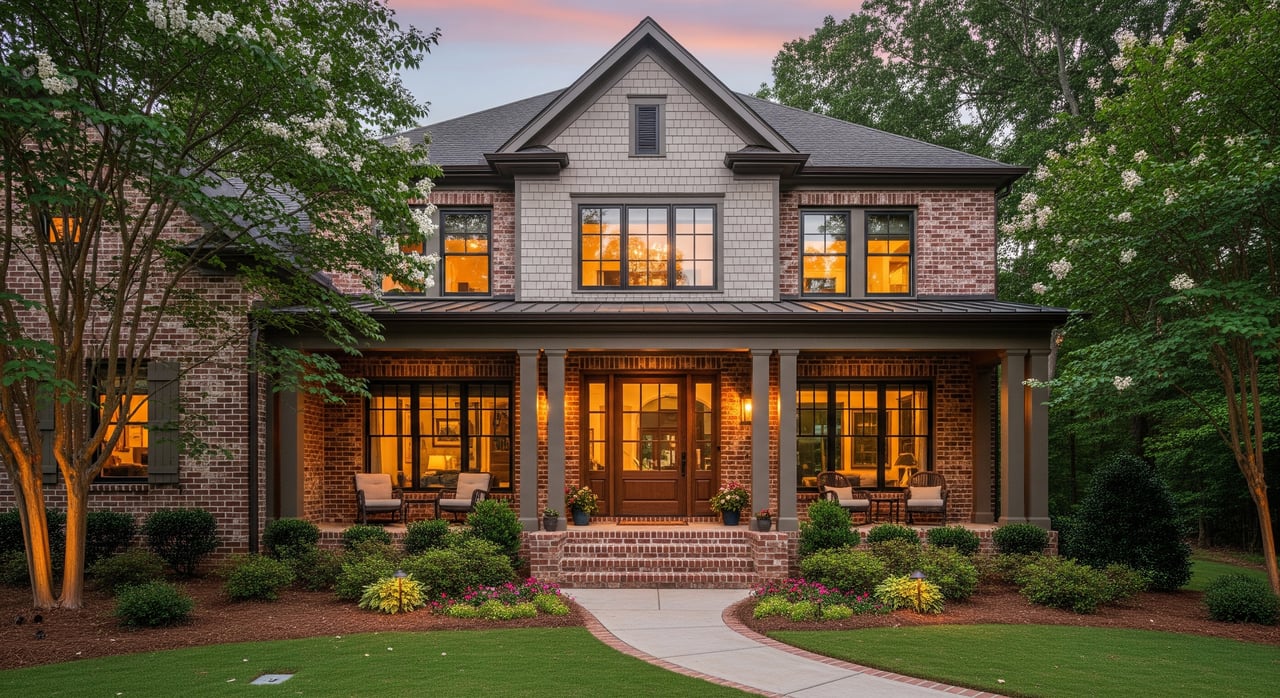
Wish you had a quick way to tell a Durham bungalow from a ranch or a sleek new build? When you can spot key features fast, you save time, narrow your search, and stage your own home with confidence. In this guide, you’ll get simple visual identifiers, where each style tends to show up in Durham, photo ideas for your listing, and practical staging tips that match the home’s character. Let’s dive in.
How Durham’s home styles took shape
Durham’s housing story mirrors its growth. Tobacco, rail, and Duke University fueled a surge of early 20th‑century building near the city core, which is why you see so many cozy cottages and Craftsman bungalows around central neighborhoods. Post‑WWII expansion brought long, low ranches and modest split‑levels across southern and western areas. Recent decades added infill, townhomes, and modern new builds near downtown and along redevelopment corridors.
If you want to learn more about the city’s historic neighborhoods and preservation, explore local resources like Preservation Durham. These patterns help you focus your search and set realistic expectations for layout, finishes, and outdoor space.
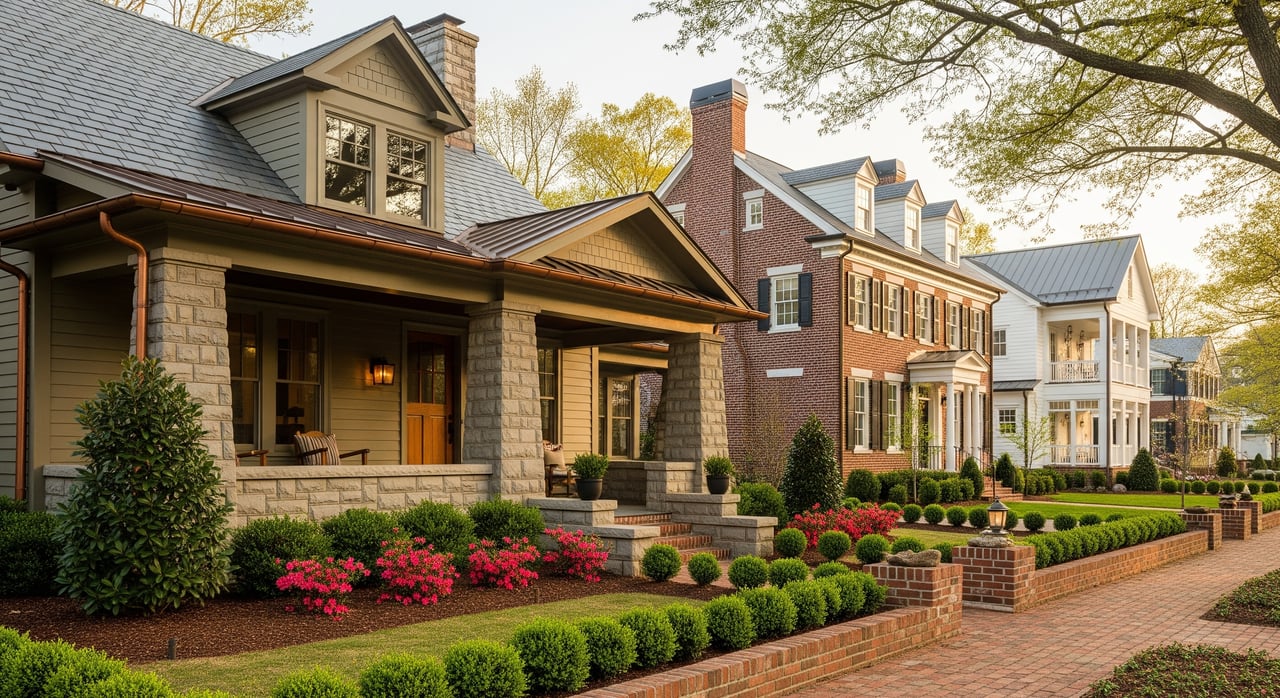
Bungalows and Craftsman cottages
Quick identifiers
- One to one‑and‑a‑half stories with a low‑pitched gabled roof
- Wide front porch with substantial or tapered columns and deep eaves
- Exposed rafter tails, wood siding or shingles, grouped double‑hung windows
Interior feel and features
- Efficient rooms, often with built‑in bookcases, window seats, or dining hutches
- Original wood trim and hardwood floors, cozy bedrooms, modest kitchens
- Many kitchens and baths are updated while preserving period charm
Where you’ll find them
Look near central neighborhoods with early 20th‑century roots. Examples include Trinity Park, Old North Durham, Old West Durham, and parts of Watts‑Hillandale and Forest Hills.
What to photograph
- Exterior wide shot that shows the porch, roofline, and street context
- Close‑ups of porch piers, trim, and original windows
- Interior built‑ins, fireplace, and hardwoods; before‑and‑after if recently staged or refreshed
Staging tips for sellers
- Highlight original details. Keep trim, built‑ins, and fireplaces uncluttered and well lit.
- Select appropriately scaled furniture. Avoid oversized pieces that crowd sightlines.
- Stage the porch with a small bistro set and plants to showcase everyday living.
- Use soft, warm neutrals and classic finishes. In kitchens and baths, think shaker cabinets and subway tile for a timeless look.
Buyer checklist
- Ask about preservation status and any local review requirements if planning exterior changes.
- Note attic access or foundation type if you are evaluating future expansion.
- Look for original hardwoods under carpet and the condition of windows and trim.
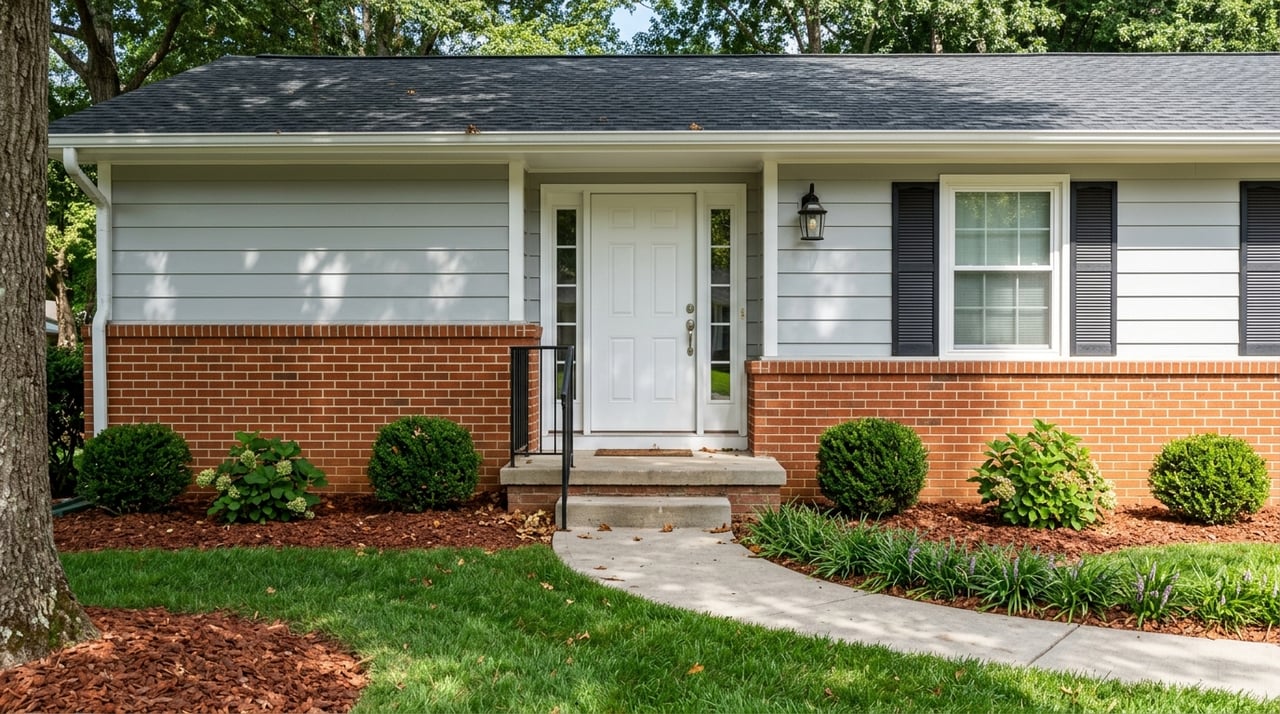
Mid‑century ranches and post‑war single‑story homes
Quick identifiers
- Single story or split‑level with a long, low roofline
- Brick or mixed cladding, large picture windows, carport or attached garage
- Simple lines with a clear indoor‑outdoor connection, often sliding glass doors
Interior feel and features
- Larger living rooms than older cottages, but generally lower ceilings
- Original hardwoods may be under carpet; kitchens and baths are often ripe for light modernization
- Layouts can be opened up or reconfigured efficiently
Where you’ll find them
These are common across many mid‑century subdivisions that grew in the 1950s to 1970s, especially in southern and western Durham and some pockets near central areas.
What to photograph
- Exterior wide shot showing the roofline and garage or carport
- Living and dining flow, plus a view toward the yard or patio
- Kitchen and bath detail, especially if updated; backyard and outdoor living areas
Staging tips for sellers
- Keep it minimalist with mid‑century‑inspired pieces. Use lower‑profile sofas and streamlined lighting.
- Define circulation and zones with area rugs and simple geometric accents.
- Emphasize indoor‑outdoor flow by styling the patio and keeping doors and sightlines clear.
- If you are updating, choose clean lines and integrated storage. Avoid an oversized island that overpowers a smaller ranch kitchen.
Buyer checklist
- Check for original hardwoods, window condition, and opportunities to open walls.
- Evaluate yard access and whether adding a deck or patio would boost livability.
- Review local zoning if you are considering a second‑story addition.
Townhomes and attached infill
Quick identifiers
- Two to four stories with narrow frontage and shared or attached walls
- Stoop or small porch entry, garage at the lower level or shared parking
- Denser streetscapes, often near mixed‑use areas and amenities
Interior feel and features
- Open main level combining living, dining, and kitchen
- Vertical living with bedrooms on upper levels and possible finished lower level
- Smaller private yards or shared amenities; newer builds may include rooftop decks
Where you’ll find them
Look near Downtown Durham, West Village, and mixed‑use corridors, as well as newer subdivisions near Southpoint and Research Triangle Park corridors.
What to photograph
- Streetscape and entry, main living level staged for entertaining
- Primary bedroom and bath, plus storage and work‑from‑home areas
- Community amenities like a pool, dog park, or rooftop deck
Staging tips for sellers
- Define zones clearly for living and dining to help buyers feel the layout.
- Keep clutter minimal and highlight storage solutions like closet systems or built‑ins.
- Use mirrors and light rugs to make narrow spaces feel wider.
- If allowed by your HOA, style balconies or stoops to show usable outdoor space.
Buyer checklist
- Review HOA documents early to understand design rules, exterior changes, and amenity policies.
- Consider stair count and daily routines. Think about groceries, guests, and work‑from‑home.
- Evaluate parking access, guest parking, and any storage lockers or garage space.
New‑build contemporaries and infill modern
Quick identifiers
- Clean geometric forms with mixed materials like metal, stucco, wood, and glass
- Large windows and open floor plans, often two to three stories
- Integrated garage, modern landscaping, and outdoor rooms or rooftop decks
Interior feel and features
- High ceilings, minimal moulding, and abundant natural light
- Large kitchens with islands and contemporary finishes
- Smart home tech and energy‑efficient systems are common
Where you’ll find them
Expect to see these in downtown‑adjacent infill, on subdivided historic lots where modern homes are permitted, and in newer subdivisions near major corridors and South Durham growth areas.
What to photograph
- Exterior architectural angles and material close‑ups
- Wide interiors that show flow, ceiling height, and light
- Outdoor living areas, courtyards, and roof decks
Staging tips for sellers
- Choose modern, streamlined furnishings in soft neutrals with warm wood or black accents.
- Keep accessories minimal to preserve the sense of scale and light.
- Showcase smart features and built‑ins with clear callouts in photo captions.
- Hire pro photography that captures lines and light. Good angles are essential.
Buyer checklist
- Compare energy‑efficiency features, window specs, and insulation details.
- Confirm any HOA design standards for future exterior changes.
- Review site plan for privacy, sun exposure, and outdoor living potential.
Renovation, rules, and ROI in Durham
Style shapes your best upgrade moves. Bungalows usually reward sensitive kitchen and bath updates that keep period character and updated mechanicals. Ranches are often flexible for reconfigurations or additions if zoning allows. Townhomes offer strong returns from kitchen and bath refreshes and smarter storage. New builds tend to gain most from outdoor living, landscaping, or smart systems rather than structural changes.
If you plan exterior changes to an older home, check for local historic district rules. Many central neighborhoods have preservation considerations and projects can require review. For background and guidance on districts and certificates of appropriateness, visit the City’s Historic Preservation resources through Preservation Durham, which also links to local programs and district information.
For attached homes and newer infill communities, review HOA covenants before you schedule photography or plan exterior staging. Rules can affect signs, shared amenities, and what you can place on balconies or stoops.
Photo checklist you can copy
Use this simple list when you prep a listing or evaluate one you want to tour:
- Exterior: full‑width front view, angled detail shot, backyard or outdoor living
- Interior: wide shot of main living area showing flow to kitchen and dining
- Kitchen: island, major appliances, storage and pantry views
- Primary suite: bedroom, bath, and closet organization
- Details: built‑ins, original hardware or trim, modern fixtures and tech
- Context: nearby park or greenway, streetscape, a favorite cafe to show lifestyle
Where to start your search
If you love porch life and original woodwork, begin with central bungalow neighborhoods like Trinity Park, Old North Durham, and Old West Durham, and nearby parts of Watts‑Hillandale and Forest Hills. For single‑level living and larger lots, expand to mid‑century ranch areas in southern and western Durham. If low‑maintenance living is your priority, focus on townhome communities near Downtown, West Village, and Southpoint‑area developments. If you want modern design and energy efficiency, explore new‑build corridors near downtown and South Durham.
Want curated neighborhood insights and current listings by style? Browse our Durham neighborhood guides and reach out when you are ready to tour.
Ready to buy or sell in Durham and want a clear plan tailored to your home’s style? Reach out to Gesenia Alvarado for a friendly strategy call. You will get local guidance, professional staging and photography for listings, and bilingual support if you prefer Spanish.
FAQs
What are the most common home styles near downtown Durham?
- You will see many early 20th‑century bungalows and cottages near central neighborhoods, along with growing numbers of townhomes and modern infill close to downtown.
Are Durham bungalows often in historic districts and what does that mean?
- Several central neighborhoods include locally regulated historic areas, so exterior changes can require review; check local resources for guidance before planning work.
How do mid‑century ranch homes compare for renovations in Durham?
- Ranches often offer strong potential to open layouts, refresh kitchens and baths, and improve outdoor living, with zoning determining expansion options.
What should townhome buyers know about HOAs in Durham?
- Review HOA documents early for design guidelines, amenity rules, parking details, and any restrictions on exterior staging, signage, or balcony use.
How should I stage a new‑build contemporary for photos?
- Use streamlined furniture, a restrained color palette, and minimal accessories to emphasize light, scale, and architectural lines, then highlight smart features in captions.