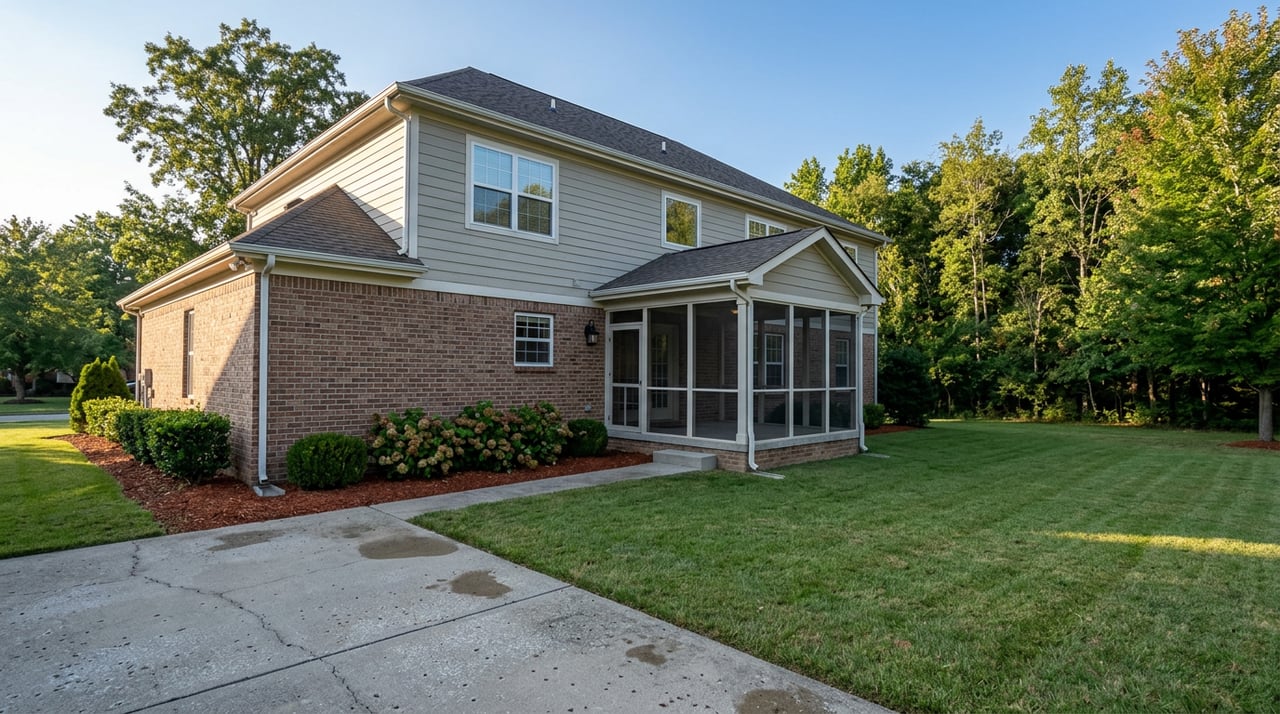
Is Clayton The Right Alternative To Raleigh And Cary?
Thinking about more space without stretching your budget in the Triangle? If Cary and Raleigh feel a bit tight on price or lot size, you’re not alone. Many buyers look to Clayton for newer homes, bigger yards, and a small‑town feel that still keeps you connected to job centers. In this guide, you’ll compare prices, commutes, taxes, schools, and lifestyle so you can decide if Clayton is the right fit. Let’s dive in.
Clayton offers a large share of newer single‑family homes at lower price points than Cary and many parts of Raleigh. Recent snapshots place Clayton’s median sale values in the low‑to‑mid $300Ks, while Raleigh trends in the mid‑$400Ks and Cary in the upper $500Ks to low $600Ks. These ranges move month to month, so verify MLS figures on your target date.
For a baseline, the Census reports Clayton’s median value of owner‑occupied homes at $329,600 (2019–2024), and the town’s population is about 31,700 as of mid‑2024. You can explore these figures on the Census QuickFacts page for Clayton to get a sense of scale and growth. View Clayton’s Census baseline.
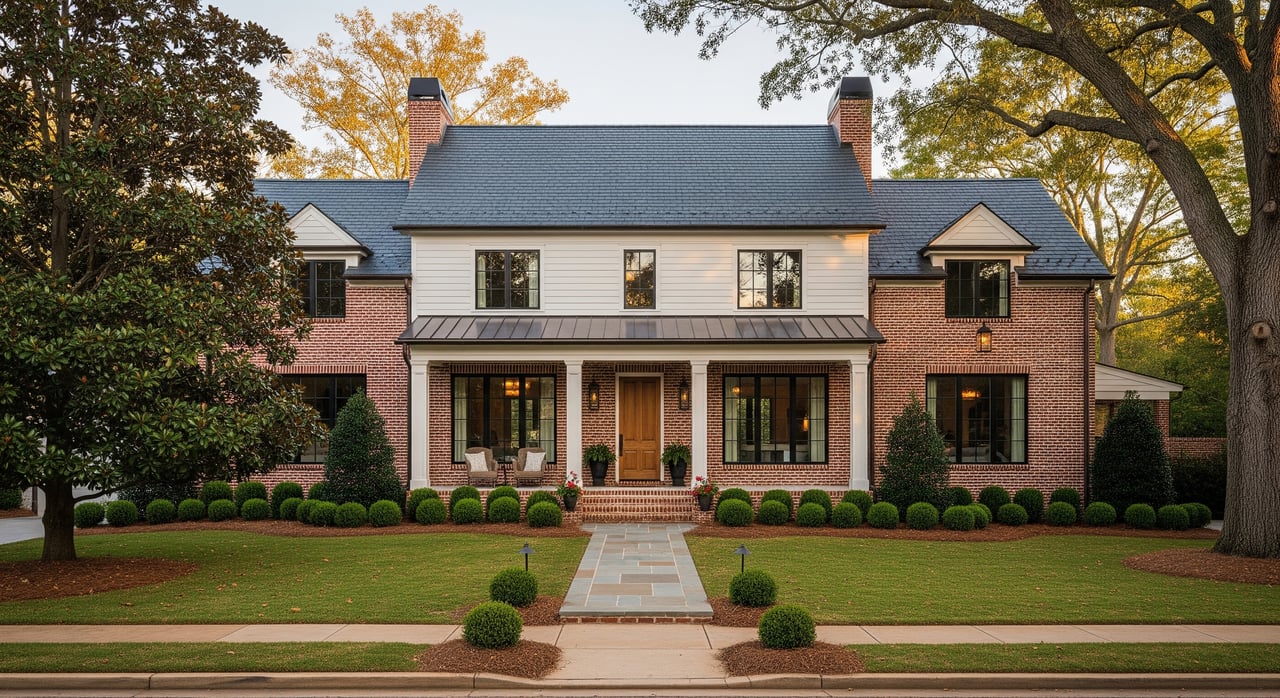
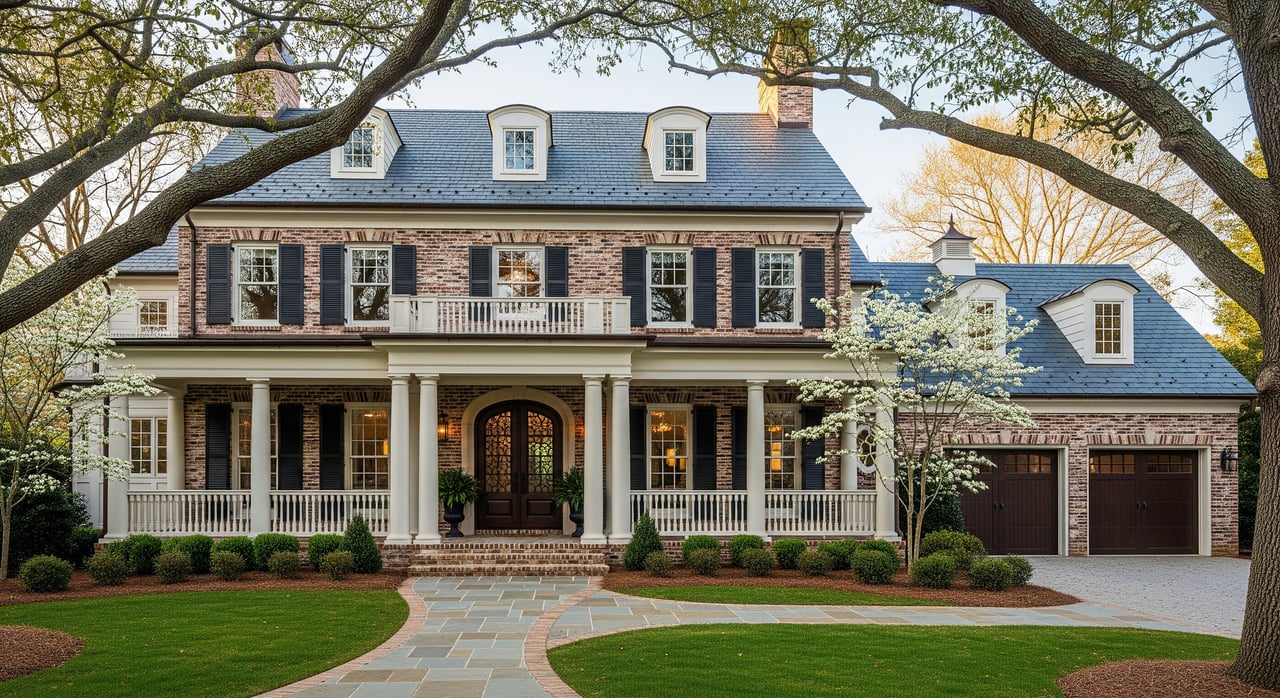
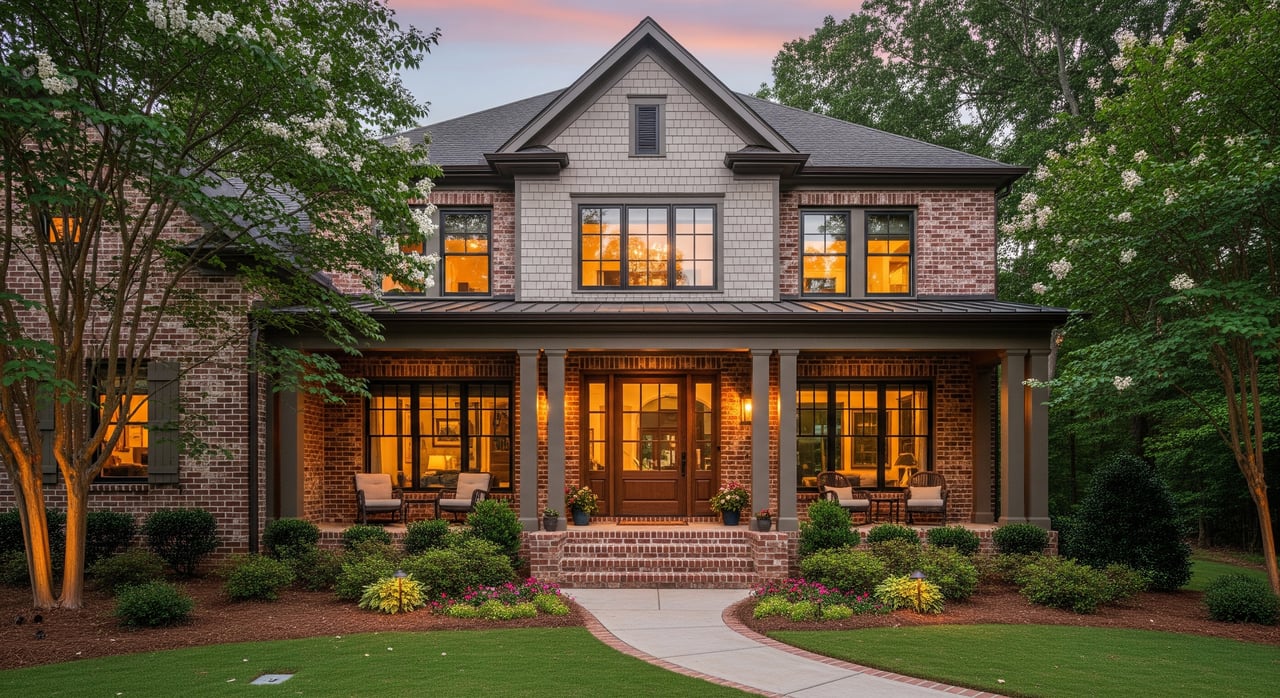
You’ll find many detached single‑family neighborhoods built since the 2000s, with modern floor plans and move‑in‑ready options. This newer inventory often means you get more square footage and yard for the money compared with Cary or central Raleigh.
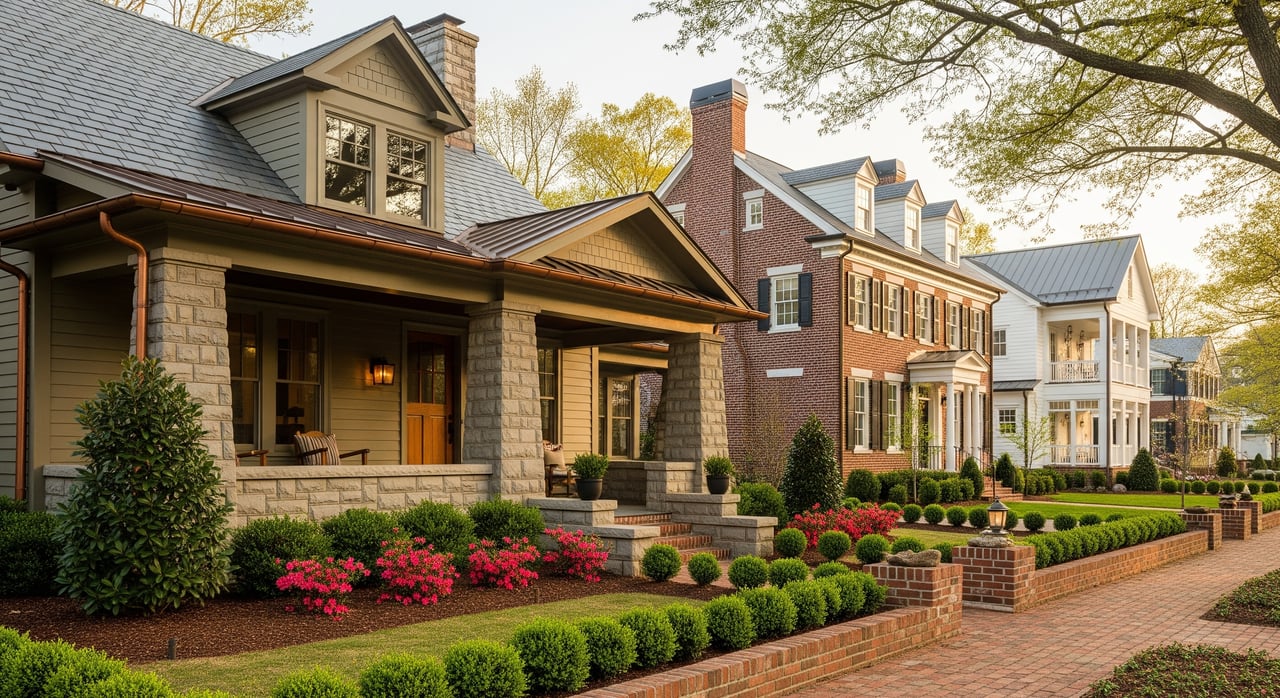
Raleigh offers a broader mix: older bungalows, infill single‑family, townhomes, and downtown condos. Cary leans suburban and master‑planned, with strong single‑family stock. Buyers focused on a shorter commute and proximity to employment or urban amenities often prefer Raleigh or Cary, and pay a premium for it.
If you want a newer home and more space, Clayton is worth a look. If your top priorities are the shortest possible commute to RTP or specific Wake County school zones, Cary or closer‑in Raleigh may be a better match. Either way, compare by neighborhood rather than only city medians, since new construction vs. resale can skew averages.
Daily travel is a key tradeoff. Under non‑peak conditions, Clayton to downtown Raleigh commonly runs about 20–25 minutes; peak traffic can push it 30+ minutes. Clayton to Cary often runs 25–35 minutes, with rush‑hour adding time depending on the route and destination. A quick reference point comes from TravelMath’s averages for Clayton to Raleigh. See example Clayton→Raleigh drive metrics.
Local data also aligns with this picture. The Census estimates Clayton’s mean commute time at 31.1 minutes. Check the Census commute estimate.
The Complete 540 Southeast Extension is under construction in phases and is expected to change travel patterns for south and east Triangle commuters once complete in the mid‑to‑late 2020s. If you plan to own long term, factor the potential for faster connections and new toll options into your commute and resale thinking. Learn about the Complete 540 project.
Fixed‑route regional transit serving Clayton is limited today, so most commuters drive. Regional plans include potential commuter rail corridors with routings proposed to serve the Garner/Clayton area, but these are planning‑level and would take multiple years if funded. Treat rail as a possible future improvement rather than current service. Review a recent regional planning list.
Property tax bills reflect a combination of county, municipal, and any special district rates. As of the 2024–2025 table, county base rates are:
Municipal rates are added on top and change annually. Cary’s recent budget materials have discussed a town rate in the low‑30s cents per $100 (about $0.325). Always calculate the combined rate for a specific address, including any fire or special district levies. See North Carolina’s county tax rate table.
Here’s a simple example for illustration only. For a hypothetical $500,000 assessed value in Cary, combine the Wake County rate and the illustrative Cary town rate: 0.5135 + 0.325 = 0.8385 per $100. Calculation: $500,000 ÷ 100 = 5,000 units; 5,000 × 0.8385 = $4,192.50/year before any special districts.
For Clayton, start with the Johnston County rate of 0.6700 per $100 and add the current Clayton town rate for your specific address and any special district. Using county only as a baseline for the same $500,000 assessment: 5,000 × 0.6700 = $3,350/year, plus the town and any district amounts. Do not compare counties alone. The combined rate at your property will determine the actual bill.
Public school preferences are a common driver of Triangle home searches. Wake County includes several high‑performing high schools that draw many buyers to Cary. You can explore third‑party rankings for Cary schools to understand local context. See an overview of Cary high schools.
Johnston County schools have strong programs and have been improving. As with any area, individual school performance varies. If you are focused on Clayton, review state report cards and district details for the schools that serve your address. Start with a profile example like Clayton High, then confirm assignments directly with the district.
Use neutral, data‑driven sources and verify the specific school assignments tied to a property before you write an offer. School zone boundaries and program options can change.
Clayton’s charm comes from a growing downtown, small‑town community feel, and access to parks and greenways. The town has invested in revitalization and planning that supports a more walkable, connected center. If you want local breweries, casual dining, and family‑friendly events without leaving town, you will find a lot to like. See the Town of Clayton’s downtown plan for context on amenities and investments.
Raleigh and Cary offer denser cultural amenities and shorter drives to many major employers. If you want larger performance venues, museums, or more frequent nightlife, living closer in may be a better fit.
If your goal is a newer home with more indoor and outdoor space at a lower price point, Clayton is a strong alternative to Cary and Raleigh. If your top priority is the shortest commute to RTP or specific Wake County school zones, living closer in may still be worth the premium. Keep an eye on infrastructure like Complete 540 and verify up‑to‑date prices, taxes, and school assignments before you decide.
Ready to compare neighborhoods and run the numbers for your situation? Reach out to Gesenia Alvarado for local guidance, bilingual service, and a plan tailored to your goals.
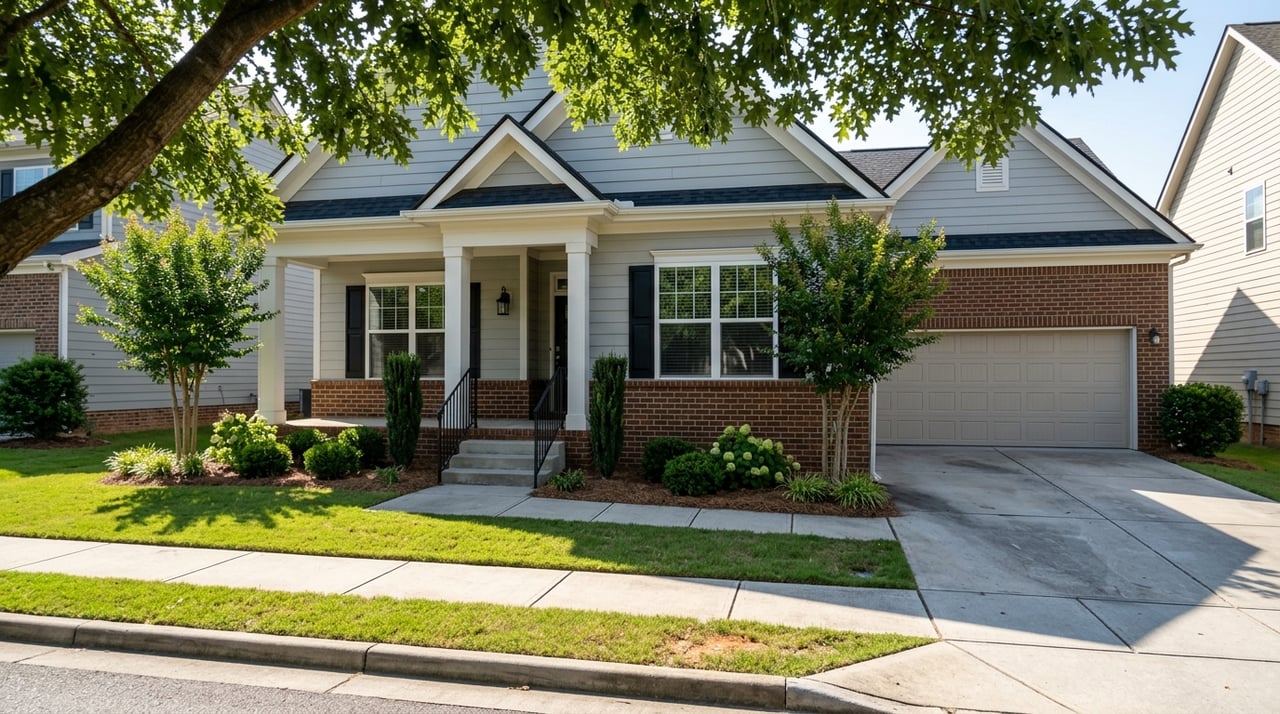
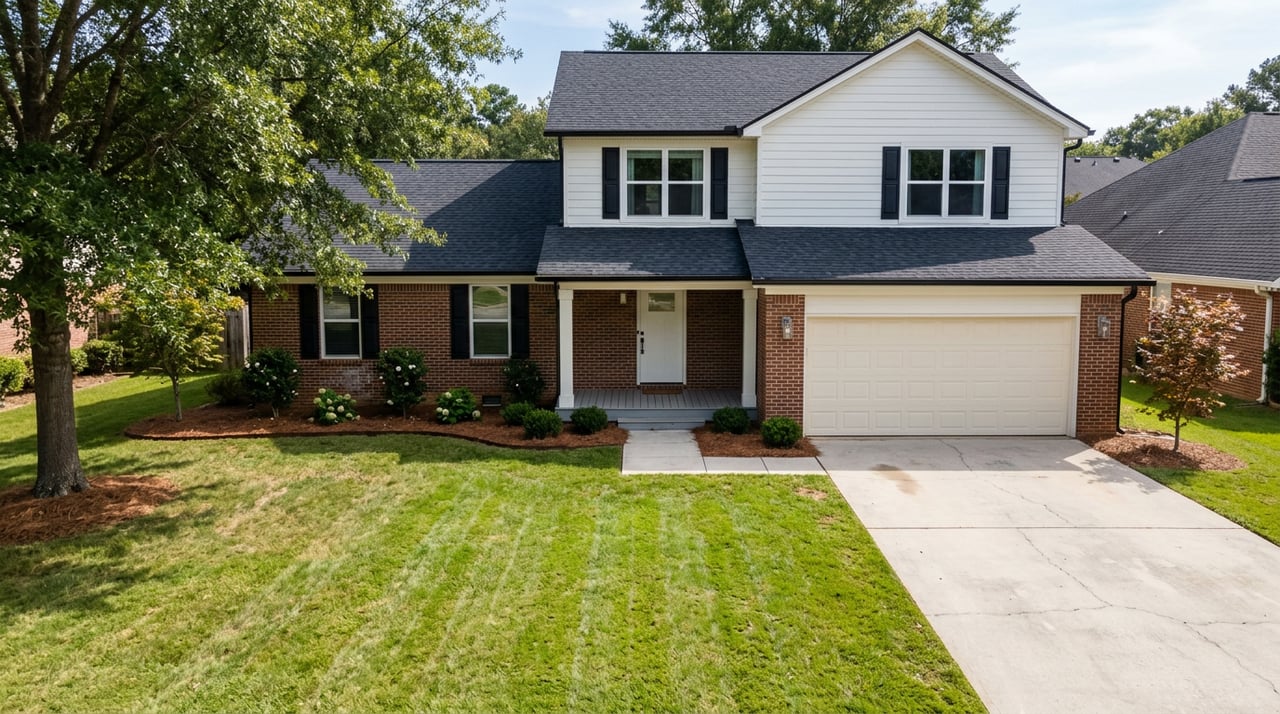
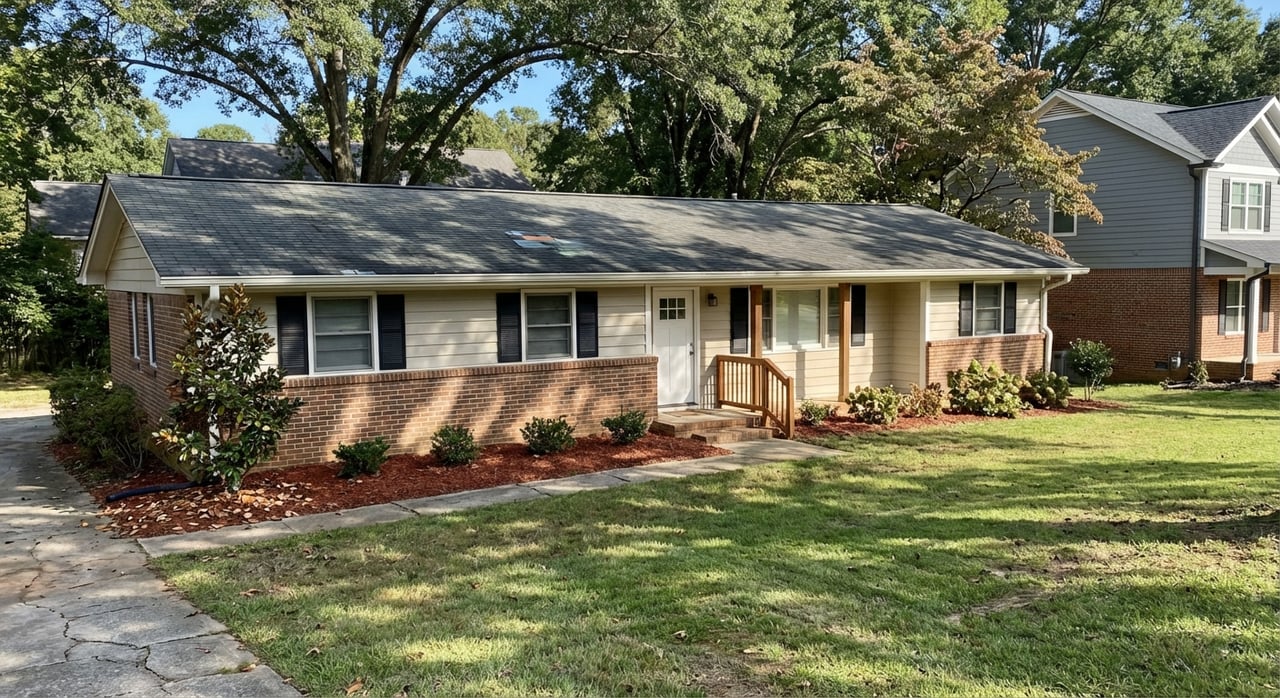

Whether you are a first-time homebuyer, a seasoned investor, or looking to sell your home, Gesenia has the knowledge, skills, and experience to help you achieve your real estate goals.

525 NEW WAVERLY PL STE 202 CARY NC 27518