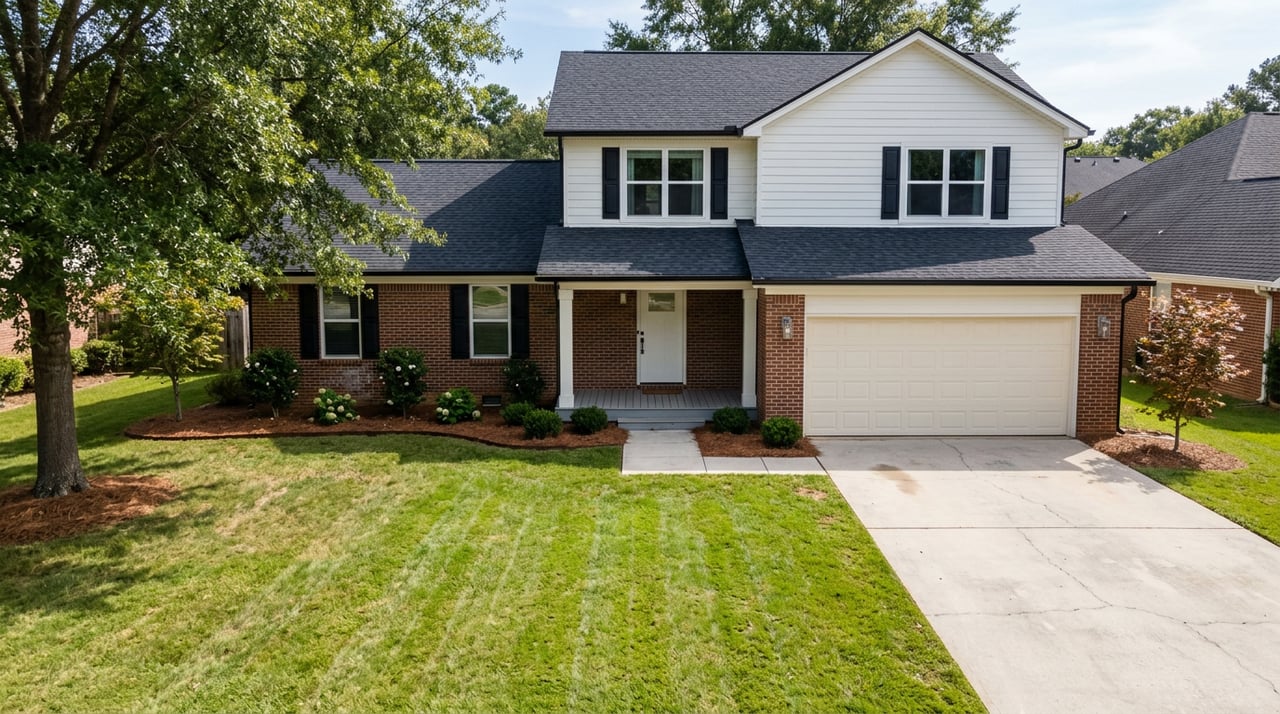
New Construction Or Resale In Wake Forest?
Stuck between the shine of a new build and the charm of an established home in Wake Forest? You are not alone. Each path comes with different timelines, costs, and tradeoffs that affect your day-to-day life and long-term value. In this guide, you will learn how new construction compares to resale in Wake Forest so you can choose with confidence based on your goals, budget, and move date. Let’s dive in.
Prices in Wake Forest vary by neighborhood and data source. Recent snapshots show a median sale price near 455,000 (Redfin, Jan 2026), while Zillow’s typical home value sits around 504,000 (Jan 31, 2026). The difference reflects method and timing, so it is smart to compare multiple sources when you plan.
Property taxes matter for monthly costs. The Town of Wake Forest set the municipal property tax rate at 0.42 per 100 assessed value for FY 2025–26, with an additional 0.14 downtown district rate where applicable. You can confirm details on the town’s budget update at the Town of Wake Forest budget page.
If you have a strict move date, also note days-on-market trends. As of early 2026, market time has stretched compared to the peak pandemic years, which can give you more options and some negotiation room on many resales. Always review a fresh neighborhood snapshot before you write an offer.
These are typical industry ranges and can shift with lot readiness and builder backlog. If your job start or lease end is fixed, quick move-in homes are usually the safest path. If you can wait and want personalization, a built-to-order or custom plan can be a great fit. For a clear overview of timelines and budget tradeoffs, see this industry summary of building vs. buying.
New builds often come with financing choices and incentives that affect your total cost:
Pro tip: Shop at least two lenders, even if you like a builder’s offer. You want to compare net monthly payment, total cash to close, and any fine print tied to incentives.
Production builders price a base home, then offer options for finishes and structural changes. Premium lots or larger, flatter lots can add a separate fee. Some cosmetic upgrades help resale value, while very high-end customizations may not return dollar-for-dollar in the short term. If you are working within a tight appraisal environment, keep a careful tally of upgrade costs and align them with neighborhood comparables.
Even on a brand-new home, do not skip independent inspections. Municipal checks verify code compliance, but they are not a substitute for a buyer-hired inspector.
For context on inspection scope and timing, the Town’s Inspections Department outlines permits, reviews, and scheduling expectations, including next-business-day queuing for inspections requested by 3:00 pm. See the Town of Wake Forest Inspections page for current procedures.
Older systems may need attention. Roofing, HVAC, plumbing, and electrical components have useful lives, and some insurers scrutinize older homes differently. It is smart to budget for maintenance and get thorough inspections, including trade-specific checks when recommended. For background on how age and systems can affect premiums and eligibility, review Progressive’s guidance on insuring older homes.
Appraisals rest on comparable sales. In mature neighborhoods, resale homes usually have abundant comps, so the valuation path feels straightforward. In a brand-new phase with limited closed sales, appraisers may lean on the cost approach or wider-area comps, which can increase the chance of an appraisal gap.
If you are buying new construction with sizable upgrades, prepare for the possibility that the appraised value may trail the contract price. A lender experienced with new-build appraisals helps set expectations, as outlined in this summary on appraising new construction.
Many Wake Forest subdivisions, especially newer ones, have homeowners associations. Before you buy, request and read the full set of governing documents: Declaration/CC&Rs, Bylaws, and Rules. Ask for the current budget, any reserve study, and a closing statement that shows outstanding assessments.
For a plain-English overview of how HOAs are structured in North Carolina, the runHOA summary of NC statutes is a helpful starting point. Dues and amenities vary by community, so always confirm what is active now versus just planned. Factor these costs into your monthly payment comparison between a new build and a resale.
North Carolina also has a statute of repose that limits how long you have to bring certain construction-defect claims. In general, it is six years from substantial completion or the last act that gave rise to the claim. For context, see this overview of the North Carolina statute of repose. If you face a defect or warranty dispute, consult a North Carolina attorney to understand your options.
Use this list to match your priorities to the better fit.
Wake Forest offers a mix of established neighborhoods and active new-home communities. You will find production and custom builders working in areas like Heritage, Traditions, Holding Village, Meadow at Jones Dairy, Grove 98, and Kalas Falls. Entry-level townhomes, mid-market single-family plans, and higher-end custom options all exist within a short drive of shopping and major corridors. If you are exploring new builds, ask about current quick move-in lists, lot premiums, and which amenities are complete today.
Wake Forest accepts electronic plan submittals and follows North Carolina building codes. The Town’s Inspections Department outlines how to submit plans, request inspections, and what to expect for scheduling. Requests made by 3:00 pm are typically queued for the next business day, subject to availability. Bookmark the Town of Wake Forest Inspections page so you have the latest steps and contacts if you build or renovate.
If you want the lowest maintenance risk and specific finishes, new construction can be the right fit, especially if you have time and a clear plan for financing and inspections. If you value mature trees, faster closing, and strong comparable sales, resale may better serve your move. Either way, ground your decision in your timeline, monthly budget, and comfort with variables like appraisals, HOAs, and warranties.
Looking for a tailored plan that fits your move date and budget in Wake Forest? Connect with Gesenia Alvarado for clear guidance, local insight, and end-to-end support from search to closing.
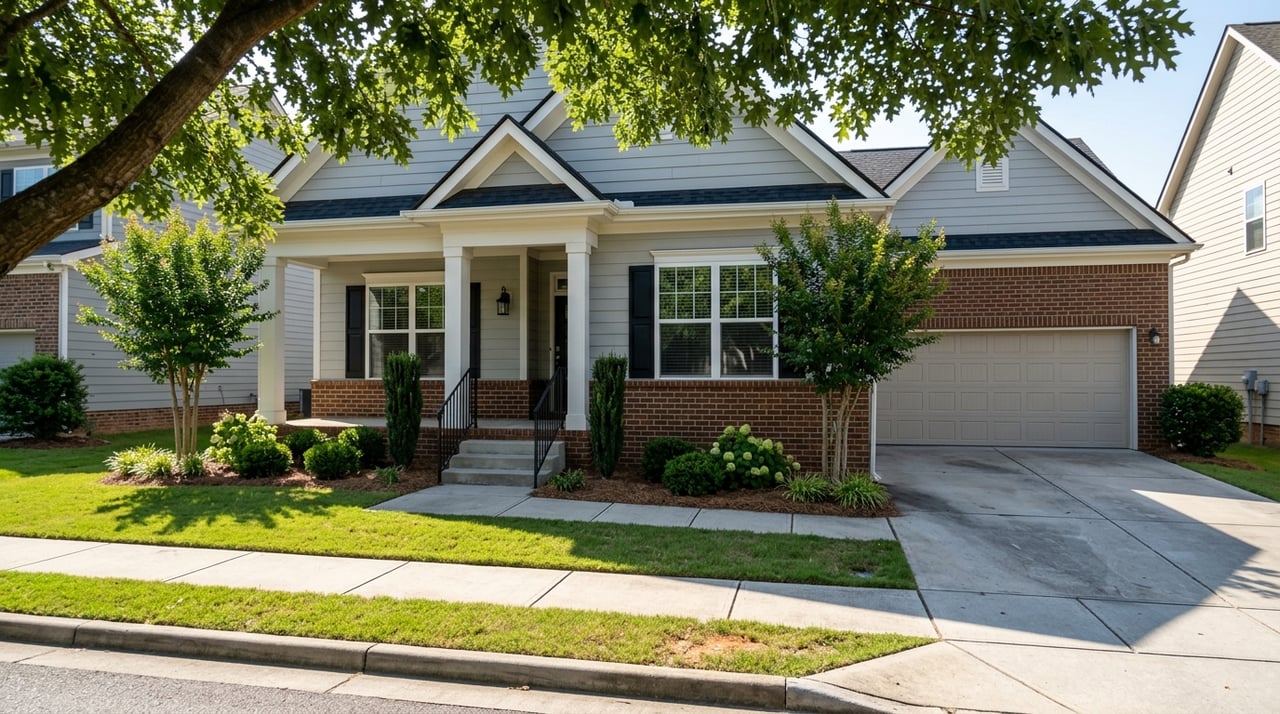
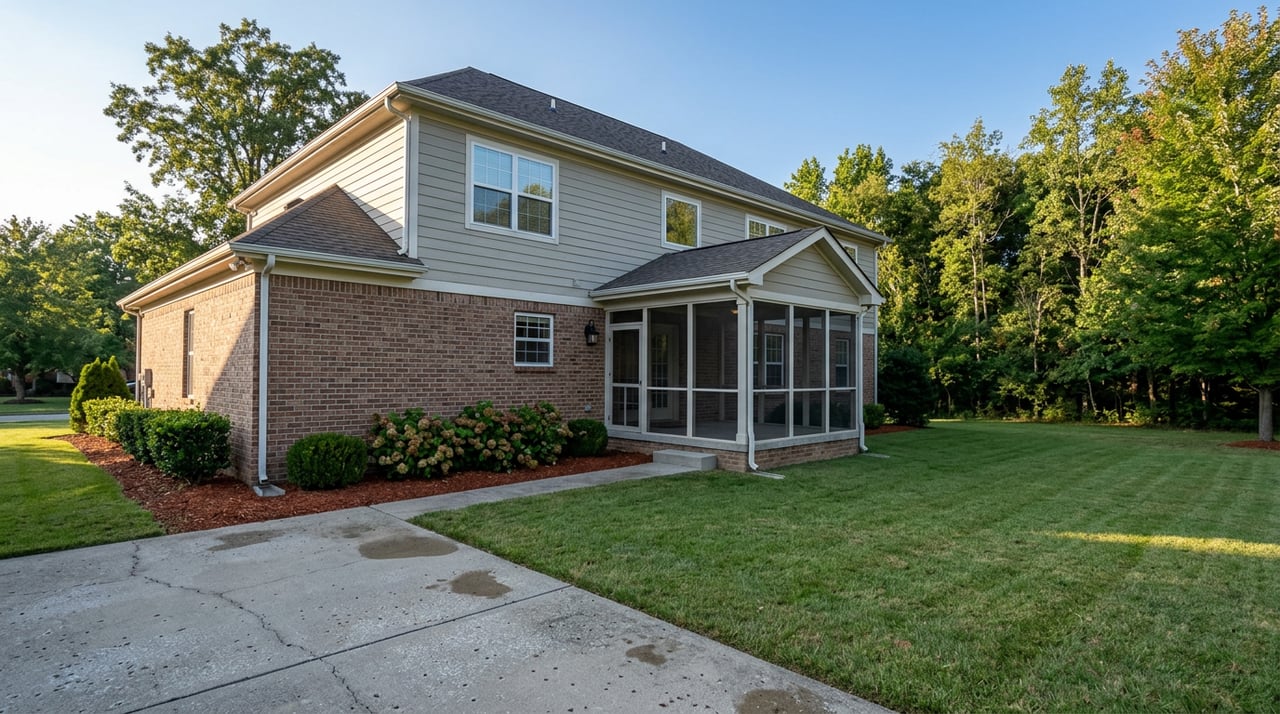
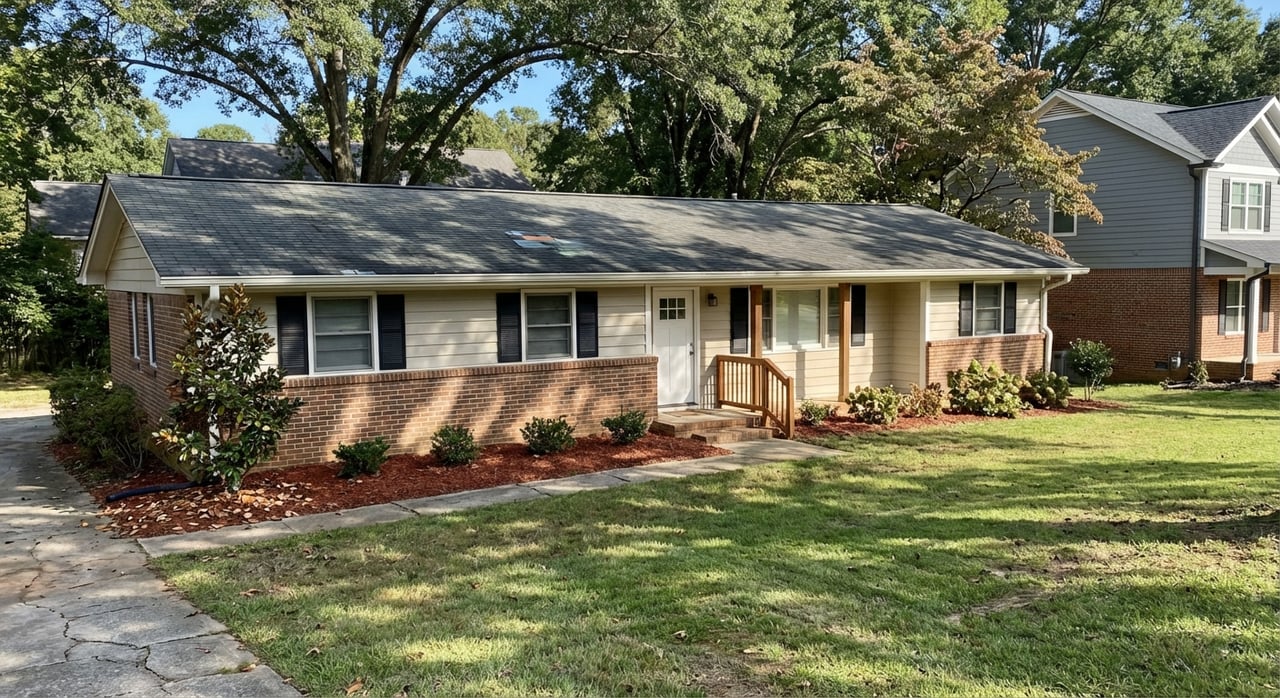

Whether you are a first-time homebuyer, a seasoned investor, or looking to sell your home, Gesenia has the knowledge, skills, and experience to help you achieve your real estate goals.

525 NEW WAVERLY PL STE 202 CARY NC 27518