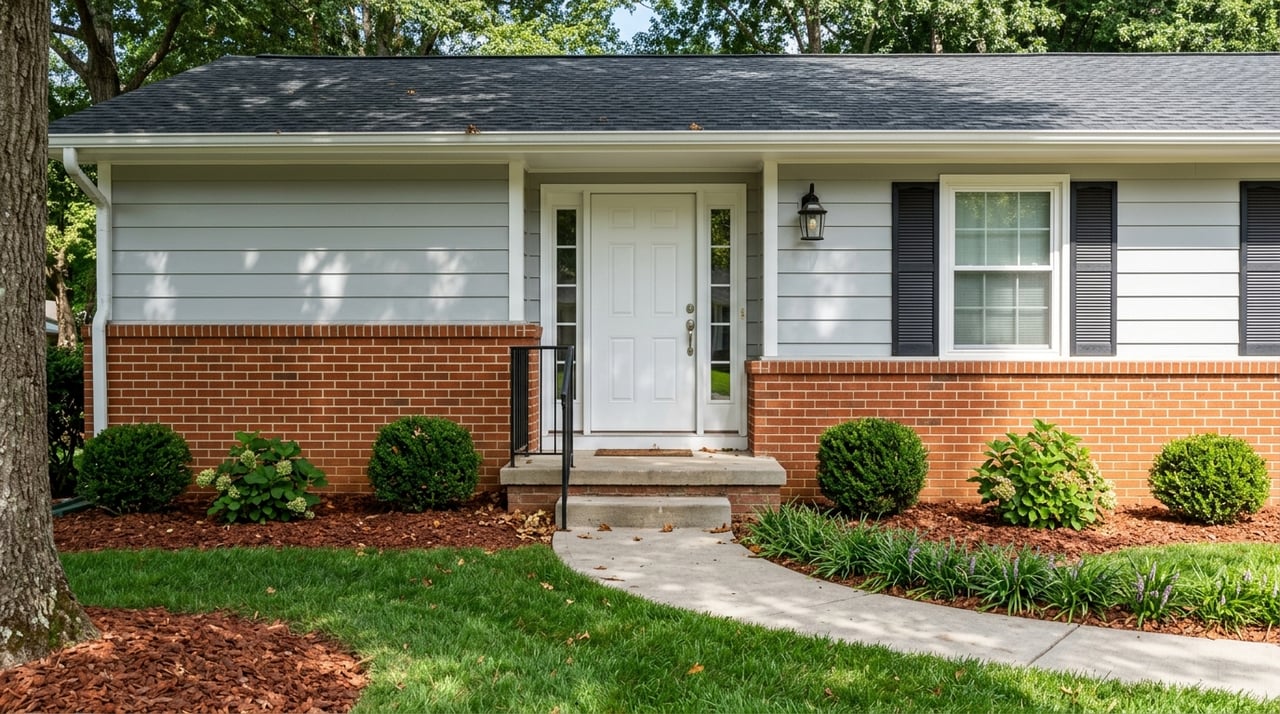
A Bilingual Guide To Buying Your First Home In Cary
Buying your first home in Cary can feel exciting and overwhelming at the same time, especially if you are comparing English and Spanish terms while trying to keep up with prices, paperwork, and deadlines. If you want a clearer path, you are not alone. In a town where 26.3% of residents were born outside the U.S. and the median home value is $649,000, bilingual guidance can help you understand the process with more confidence. Let’s break it down step by step.
Cary is a diverse community, and many buyers are navigating major financial decisions in more than one language. According to the State of Cary, 8.5% of residents identify as Hispanic, 68.5% are homeowners, and the town’s FY2026 property tax rate is 34 cents per $100 of assessed value.
In a higher-cost market, small misunderstandings can create big stress. That is why clear English-Spanish explanations can be so helpful when you are reviewing loan terms, comparing costs, or planning your monthly budget.
Cary also has examples of local language-access support. The town’s Stable Homes Cary partnership says NeighborUp provides bilingual case management and housing-related counseling, which reflects a broader local support network for residents.
Before you start touring homes, get clear on what you can comfortably afford each month. This matters in Cary because home prices are significant, and changes in interest rates can affect your payment quickly.
A preapproval, or preaprobación, is a lender’s tentative statement that it is willing to lend you up to a certain amount. The Consumer Financial Protection Bureau explains that a preapproval is not a guaranteed loan offer, and it may expire in about 30 to 60 days.
Sellers often want to see a preapproval letter before accepting an offer. Even so, CFPB recommends comparing official Loan Estimates from multiple lenders instead of choosing a lender based only on the preapproval.
Here are a few terms that are worth learning before you shop:
Using the same term consistently can make the process easier. CFPB’s Spanish mortgage resources show some translation variations, so sticking with one clear version helps reduce confusion.
It is easy to focus only on the monthly payment, but that does not give you the full picture. Your lender costs, interest rate, and other fees all affect how much you pay over time.
According to the CFPB preapproval guide, you should compare Loan Estimates from more than one lender. That gives you a more accurate way to review costs than relying on a preapproval letter alone.
If you prefer to review documents in Spanish, CFPB offers Spanish-language housing resources and translated mortgage support. It also provides consumer support in more than 180 languages, which can help you ask questions before you commit.
Once you know your budget range, you can start looking at homes that fit your goals. This is where first-time buyers sometimes get stretched too far, especially when they fall in love with a home before checking the full monthly cost.
CFPB notes that interest rates change daily, so affordability can shift while you search. As you look at homes in Cary, remember to factor in principal, interest, homeowners insurance, and property taxes, along with any mortgage insurance or HOA dues that may apply.
When you estimate your payment, keep these items in mind:
A realistic monthly budget helps you shop with confidence and avoid surprises later.
When you are ready to make an offer, you may hear the term earnest money, or depósito de buena fe. CFPB defines this as a good-faith deposit that may later be applied toward your closing costs or down payment if the sale closes.
This money shows the seller that you are serious. Because it is part of the contract process, you want to understand exactly how much is due, when it is due, and under what circumstances it may or may not be refundable.
After your offer is accepted, the process moves into a more detailed review phase. This is where your lender, inspector, and other professionals help confirm the home’s condition and value.
The CFPB inspection guide recommends scheduling a home inspection, or inspección de la vivienda, as soon as possible and using an independent inspector. This inspection looks at the home’s condition and can help uncover issues that were not obvious during a showing.
You will also likely have an appraisal, or tasación, which is an independent opinion of the home’s value. CFPB says the appraisal helps the lender decide how much the property is worth for loan purposes.
If the inspection or appraisal reveals serious concerns, the lender may require repairs or other conditions before closing. That is one reason why steady communication matters so much during this stage.
Underwriting is the lender’s review of your finances, documents, and the property details before final approval. During this stage, you may be asked for updated pay stubs, bank statements, or explanations for specific transactions.
This is normal. The key is to respond quickly and review every request carefully, especially if you are working across two languages and want to make sure every document is understood correctly.
Closing is the final stretch, but it is not the time to rush. You will receive important documents that show your loan terms and final costs, and it is worth reading them closely.
CFPB says closing costs typically range from 2% to 5% of the home price, excluding the down payment. These costs vary based on the loan type, lender fees, location, and down payment size.
After you apply, you should receive a Loan Estimate. Then, at least three business days before closing, your lender must provide a Closing Disclosure, or declaración de cierre. CFPB advises comparing the final Closing Disclosure with the earlier Loan Estimate and asking questions about any differences before signing.
A few final terms can help you feel more prepared:
If a number, fee, or term looks unfamiliar, pause and ask for clarification. It is always better to ask one more question than to sign something you do not fully understand.
If saving for your down payment feels like the hardest part, you may have options. The North Carolina Housing Finance Agency offers the NC Home Advantage Mortgage, which includes down payment assistance of up to 3% of the loan amount.
Eligible first-time buyers and military veterans may also qualify for NC 1st Home Advantage Down Payment, which offers $15,000 in down payment help. NCHFA defines a first-time buyer as someone who has not owned a home as a primary residence in the last three years.
NCHFA says its programs are available in all 100 North Carolina counties. It also notes that some assistance programs require a homebuyer education course and one-on-one pre-purchase counseling, so it is smart to ask about those requirements early.
You do not have to figure everything out on your own. If you want extra support, HUD’s North Carolina resources can help you find HUD-approved housing counselors and the NCHC Housing Counseling Network.
For bilingual buyers, CFPB also offers a Spanish-language homebuying hub and mortgage glossary that can make loan terms easier to understand. These tools are especially useful if you want to review key vocabulary before meetings, document signing, or lender calls.
If you want to keep the process simple, focus on these steps:
Buying your first home in Cary is a big milestone, but it does not have to feel confusing. With clear bilingual communication, trusted resources, and steady guidance, you can make informed decisions at every stage. If you want support in English or Spanish as you plan your next move in Cary, Gesenia Alvarado is here to help.


Whether you are a first-time homebuyer, a seasoned investor, or looking to sell your home, Gesenia has the knowledge, skills, and experience to help you achieve your real estate goals.

525 NEW WAVERLY PL STE 202 CARY NC 27518